
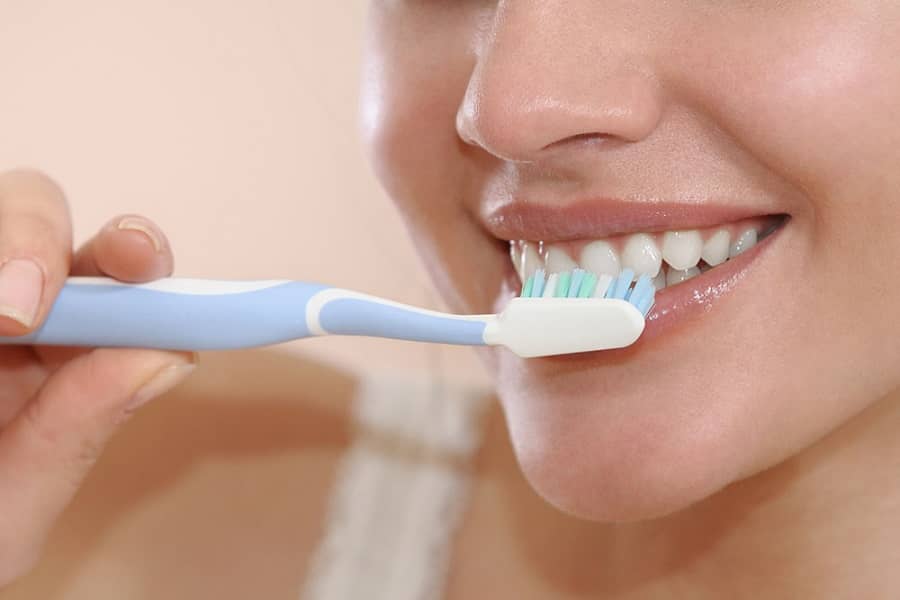
Dental Health and Wellness: Complete Guide to Strong Teeth and the Best Foods to Eat for Lifelong Oral Health
Introduction: Dental health and wellness
Dental health and wellness play a vital role in overall physical health, confidence, digestion, and quality of life. Healthy teeth allow individuals to eat comfortably, speak clearly, and smile confidently. However, maintaining strong teeth requires more than brushing twice daily. Nutrition, lifestyle habits, preventive dental care, hydration, and gum protection all contribute to long-term oral wellness.
Many people experience dental problems such as cavities, gum infections, bad breath, enamel erosion, and tooth sensitivity because they overlook the importance of proper oral hygiene and diet. The good news is that most dental problems are preventable through consistent habits and healthy food choices.
This complete guide explains how to maintain dental health naturally and which foods support stronger teeth, healthier gums, and long-lasting oral wellness.
Why Dental Health Is Important for Overall Wellness
Oral health affects the entire body. Poor dental hygiene can increase the risk of infections, heart disease complications, digestive issues, and inflammation.
Healthy teeth help:
- support proper chewing and digestion • prevent gum disease • reduce infection risks • improve speech clarity • boost confidence and appearance
Maintaining dental wellness contributes to both physical and emotional well-being.
Understanding the Structure of Teeth
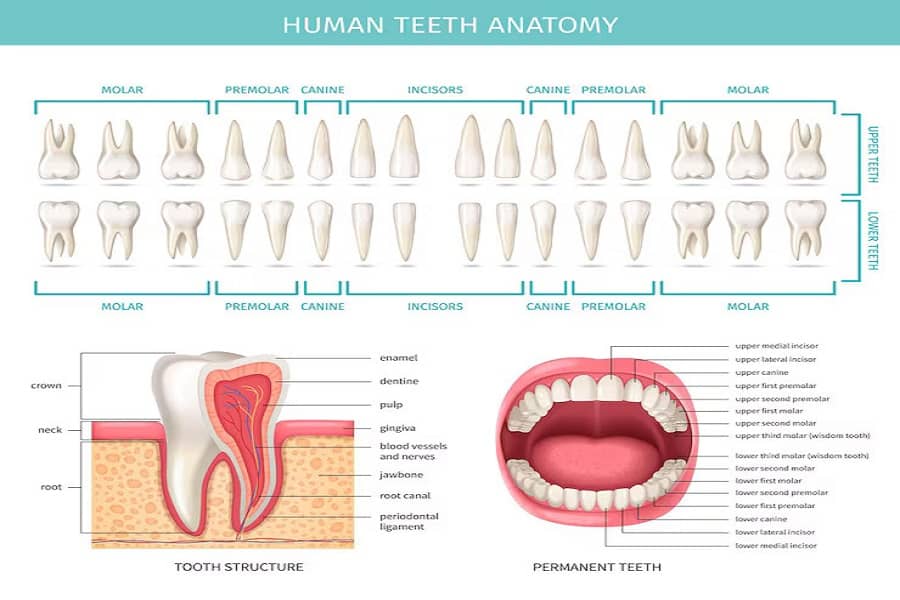
- Dental Anatomy
To protect teeth properly, it is helpful to understand their structure.
Each tooth has three main layers:
Enamel – the strong outer layer protecting the tooth
Dentin – the middle layer supporting structure
Pulp – the inner layer containing nerves and blood vessels
Healthy habits help protect enamel from damage and prevent decay from reaching deeper layers.
Common Dental Problems People Experience
Understanding common dental issues helps individuals take preventive action early.
Frequent oral health problems include:
- tooth decay • gum disease • plaque buildup • tartar formation • bad breath • tooth sensitivity
Most of these conditions can be prevented through good hygiene and nutrition.
Daily Oral Hygiene Routine for Healthy Teeth
A strong daily oral hygiene routine protects teeth from bacteria and plaque buildup.
Important habits include:
- brushing twice daily • flossing once daily • rinsing mouth after meals • cleaning tongue regularly • replacing toothbrush every three months
Consistency is the key to long-term dental wellness.
Proper Brushing Technique for Maximum Protection
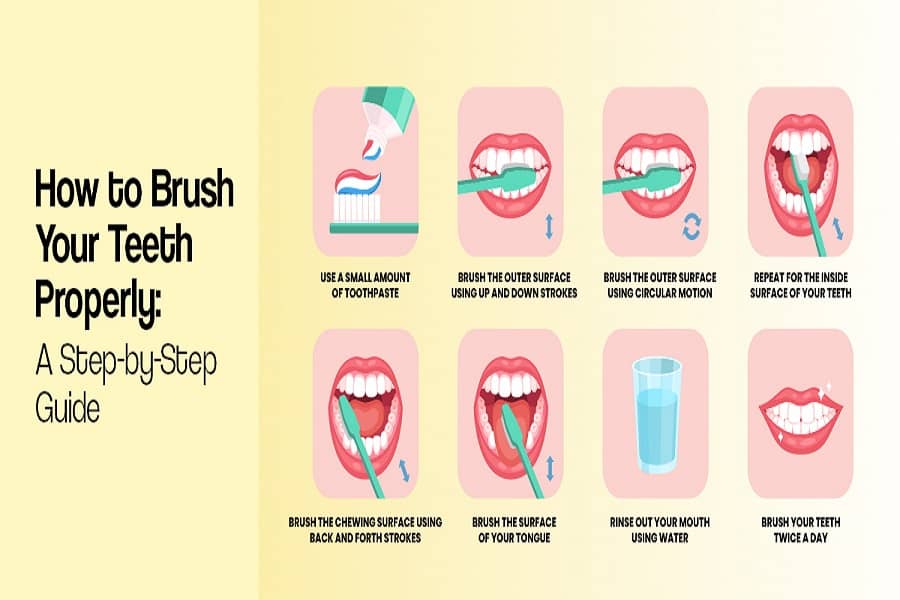
- Brushing Technique
Brushing correctly is just as important as brushing regularly.
Dentists recommend:
- brushing for two minutes • using soft-bristled toothbrush • holding brush at 45-degree angle • cleaning all tooth surfaces
Gentle brushing protects enamel and gums from damage.
Importance of Flossing for Gum Health
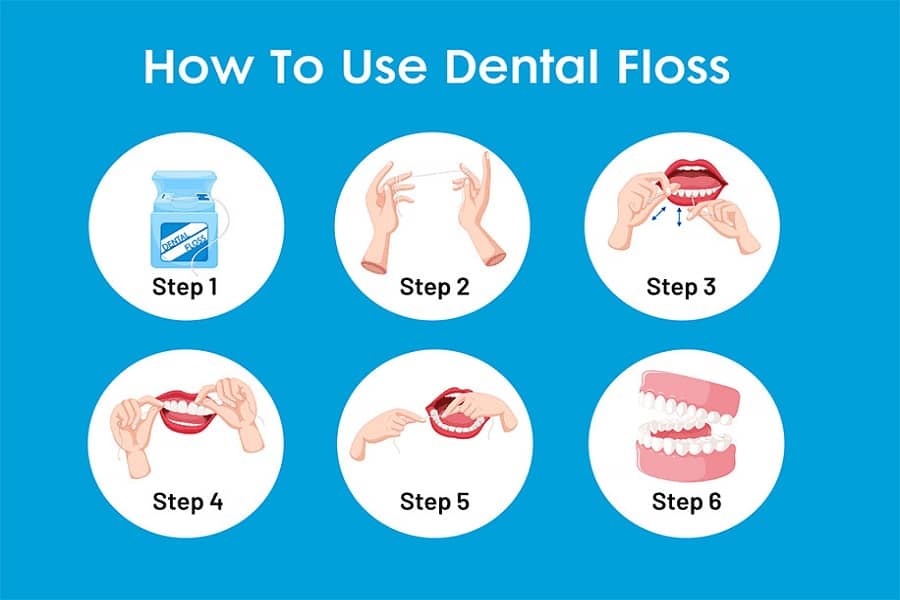
- Flossing
Flossing removes food particles between teeth where brushes cannot reach.
Benefits include:
- preventing gum inflammation • reducing plaque buildup • protecting enamel edges
Daily flossing supports complete oral cleanliness.
Role of Mouthwash in Oral Hygiene
Mouthwash helps reduce bacteria and improve breath freshness.
However, mouthwash should support—not replace—brushing and flossing routines.
Choose alcohol-free mouthwash for daily use when possible.
Best Foods for Strong Teeth and Healthy Gums

- Best Food for teeth
Nutrition plays a major role in dental strength and gum protection.
Eating the right foods helps maintain enamel strength and prevents tooth decay.
Important tooth-friendly food groups include:
- calcium-rich foods • vitamin-rich vegetables • crunchy fruits • protein sources • dairy products
Balanced nutrition strengthens teeth naturally.
Calcium-Rich Foods That Strengthen Teeth
Calcium is the most important mineral for dental strength.
Best calcium-rich foods include:
- milk • yogurt • cheese • almonds • leafy green vegetables
Calcium supports enamel strength and bone structure, supporting teeth.
Vitamin D Foods for Better Calcium Absorption
Vitamin D helps the body absorb calcium effectively.
Good sources include:
- eggs • fish • fortified dairy products • sunlight exposure support
Vitamin D deficiency may weaken teeth over time.
Crunchy Fruits and Vegetables That Clean Teeth Naturally
Crunchy foods act like natural toothbrushes.
Best options include:
- apples • carrots • cucumbers • celery
These foods increase saliva production and remove plaque naturally.
Foods Rich in Phosphorus for Tooth Protection
Phosphorus works together with calcium to protect tooth enamel.
Important sources include:
- fish • eggs • meat • nuts
Regular intake strengthens enamel layers.
Vitamin C Foods for Healthy Gums
Vitamin C supports gum tissue healing and prevents infections.
Best sources include:
- oranges • strawberries • tomatoes • bell peppers
Healthy gums hold teeth firmly in place.
Drinking Water for Oral Health Protection
Water helps wash away food particles and bacteria.
Benefits include:
- reducing plaque formation • preventing dry mouth • protecting enamel
Drinking water after meals improves oral cleanliness.
Foods That Naturally Prevent Bad Breath
Certain foods improve mouth freshness naturally.
Helpful options include:
- parsley • mint leaves • yogurt • green tea
These foods reduce odor-causing bacteria.
Foods to Avoid for Healthy Teeth

- Avoid or do minimal
Healthy teeth depend not only on brushing and flossing but also on the foods you eat every day. Some foods can weaken enamel, cause cavities, and increase tooth sensitivity. If you want strong teeth and healthy gums, knowing which foods to avoid is essential for better dental health and long-term oral care.
Sugary Foods and Drinks
Candy, cakes, cookies, and soft drinks are some of the worst foods for teeth. Sugar feeds harmful bacteria in the mouth, producing acid that attacks tooth enamel and leads to cavities. Sticky sweets are even worse because they stay on teeth longer. Reducing sugar intake and choosing healthier snacks can help maintain strong and healthy teeth.
Acidic and Hard Foods
Citrus fruits, soda, and energy drinks contain acids that wear down enamel over time, causing tooth sensitivity. Hard foods like ice, popcorn kernels, and hard candies can chip or crack teeth. Limiting acidic drinks and avoiding chewing hard objects helps protect your enamel and keeps your smile
Importance of Limiting Sugary Drinks
Sugary beverages increase acid production in the mouth.
This acid weakens enamel and increases cavity risk.
Replacing soft drinks with water improves dental protection.
Healthy Eating Habits That Protect Teeth
Smart eating habits improve oral wellness.
Helpful practices include:
- eating balanced meals • avoiding frequent snacking • drinking water after meals • chewing sugar-free gum
Healthy habits reduce bacterial growth.
Natural Ways to Strengthen Tooth Enamel
Enamel protection prevents long-term dental problems.
Helpful strategies include:
- reducing acidic foods • brushing gently • drinking enough water • eating calcium-rich foods
Strong enamel supports lifelong dental health.
Importance of Regular Dental Checkups

- Dental Checkups
Routine dental visits help detect early problems.
Dentists examine:
- plaque buildup • gum condition • cavity formation • enamel strength
Regular checkups prevent serious complications.
Signs of Healthy Teeth and Gums
Indicators of strong dental health include:
- pink gums • fresh breath • no bleeding while brushing • strong chewing ability
Recognizing these signs helps maintain awareness.
Warning Signs of Poor Dental Health
Early symptoms requiring attention include:
- gum bleeding • tooth sensitivity • persistent bad breath • tooth pain
Consult professionals if symptoms appear.
Dental Care Tips for Children and Adults
Dental wellness habits should begin early in life.
Parents should encourage children to:
- brush regularly • reduce sugar intake • visit dentists routinely
Adults should maintain consistent oral hygiene routines.
Role of Hydration in Oral Wellness
Saliva protects teeth naturally.
Drinking enough water prevents dry mouth and bacterial growth.
Hydration supports enamel protection.
Lifestyle Habits That Improve Dental Health
Healthy lifestyle choices strengthen oral health.
Important habits include:
- quitting smoking • reducing alcohol intake • managing stress • maintaining balanced diet
Positive habits support long-term dental strength.
Daily Dental Wellness Checklist
Follow these habits for strong teeth:
✔ brush twice daily ✔ floss daily ✔ drink enough water ✔ eat calcium-rich foods ✔ limit sugar intake ✔ visit dentist regularly
Consistency ensures long-term oral protection.
Frequently Asked Questions About Dental Health
Which food strengthens teeth the most?
Calcium-rich foods such as milk, cheese, and leafy vegetables help strengthen teeth the most.
Does drinking water improve dental health?
Yes. Water removes bacteria and protects enamel.
Which vitamin is best for gums?
Vitamin C supports healthy gum tissue.
How often should teeth be checked?
Dental checkups every six months are recommended.
Weekly Diet Plan for Strong Teeth and Healthy Gums
Following a structured weekly diet helps ensure that your body receives the nutrients necessary for long-term dental wellness.
Monday
Breakfast: milk with whole-grain bread
Lunch: spinach and lentils with rice
Dinner: fish with vegetables
These foods provide calcium, phosphorus, and vitamin D.
Tuesday
Breakfast: yogurt with banana
Lunch: chicken with leafy salad
Dinner: vegetable soup with whole-grain bread
This combination supports gum healing and enamel protection.
Wednesday
Breakfast: boiled eggs and milk
Lunch: beans with vegetables
Dinner: grilled fish with cucumber salad
These meals improve mineral absorption for stronger teeth.
Thursday
Breakfast: cheese sandwich with fruit
Lunch: lentils and spinach
Dinner: chicken with carrots
Vitamin-rich foods strengthen gum tissues.
Friday
Breakfast: yogurt with nuts
Lunch: fish curry with vegetables
Dinner: mixed vegetable soup
These foods support saliva production and enamel repair.
Saturday
Breakfast: milk with oats
Lunch: chicken with leafy vegetables
Dinner: lentil soup with whole grains
Balanced nutrition supports long-term oral strength.
Sunday
Breakfast: fruit bowl with yogurt
Lunch: vegetable curry with rice
Dinner: eggs with salad
A mixed nutrient diet supports complete dental wellness.
Best Daily Routine for Maintaining Dental Health Naturally
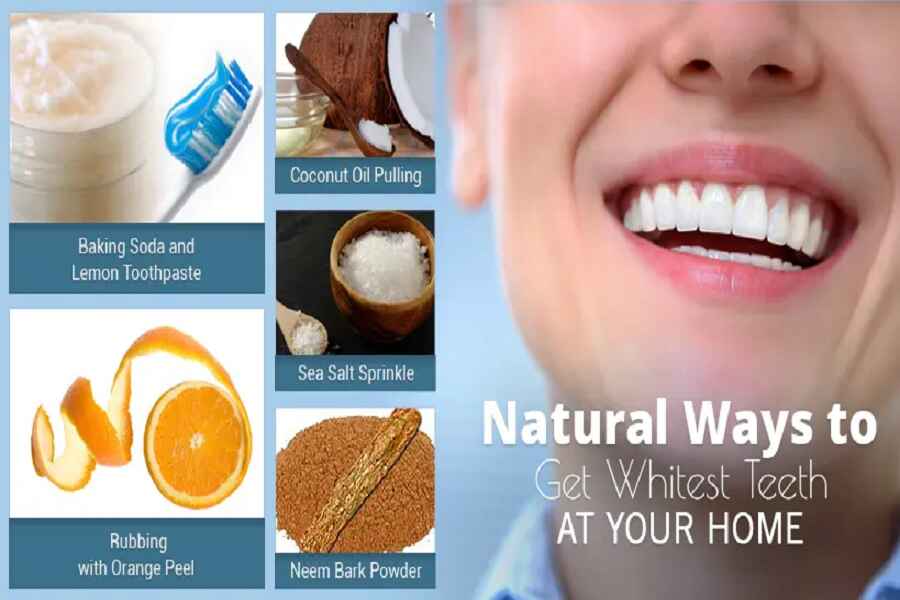
- For Whitening Teeth
Maintaining dental health requires consistent daily habits.
Morning routine should include:
- brushing after waking up • tongue cleaning • drinking water before breakfast
Afternoon habits should include:
- rinsing mouth after meals • avoiding sugary snacks • drinking enough water
Night routine should include:
- brushing before sleep • flossing between teeth • avoiding late-night sweets
Consistency helps prevent plaque buildup and cavities.
Role of Saliva in Protecting Teeth
Saliva plays an essential role in oral health protection.
It helps:
- neutralize harmful acids • wash away bacteria • protect enamel surface • support digestion
Eating fibrous foods increases saliva production naturally.
Hydration also improves saliva quality.
Herbal and Natural Ingredients That Support Dental Health
Certain natural ingredients help maintain oral cleanliness and gum strength.
Helpful natural options include:
- clove • neem • turmeric • saltwater rinse
These traditional remedies help reduce bacterial growth and improve gum strength.
However, they should support—not replace—professional dental care.
Importance of Early Morning Oral Hygiene Habits
Morning oral hygiene removes bacteria accumulated overnight.
Healthy morning practices include:
- brushing before breakfast • drinking warm water • cleaning tongue surface
These habits refresh breath and protect enamel.
- Dental caring
Nighttime Oral Care for Long-Term Tooth Protection
Nighttime oral care is especially important because saliva production decreases during sleep.
Parents and adults should avoid:
- sleeping without brushing • eating sweets before bed • drinking sugary beverages late at night
Brushing before sleep protects enamel overnight.
Dental Care Tips for Older Adults
Dental needs change with age.
Older adults should:
- maintain calcium intake • monitor gum recession • manage dry mouth symptoms • visit dentists regularly
These steps support long-term oral comfort.
Protecting Teeth During Pregnancy
Pregnancy hormones may increase gum sensitivity.
Pregnant women should:
- brush gently twice daily • increase calcium intake • attend regular dental checkups • manage nausea-related enamel exposure
Healthy dental care supports both the mother’s and the baby’s health.
Dental Health Tips for Children
Children develop lifelong habits early.
Parents should encourage:
- brushing twice daily • reducing candy intake • drinking milk regularly • routine dental visits
Early habits support strong, permanent teeth.
How Stress Affects Oral Health
Stress can indirectly affect dental wellness.
It may cause:
- teeth grinding • gum inflammation • dry mouth
Stress management supports better oral hygiene routines.
Relaxation practices improve long-term wellness.
Importance of Replacing a Toothbrush Regularly
Old toothbrushes lose their cleaning effectiveness.
Dentists recommend replacing toothbrushes every three months.
Replace sooner if:
- bristles bend outward • illness occurs • brush becomes worn
Fresh brushes improve plaque removal.
Final Thoughts: Dental health and wellness
Dental health and wellness depend on balanced nutrition, daily hygiene routines, hydration, and preventive dental visits. Including calcium-rich foods, vitamin-rich fruits, and mineral-supporting meals strengthens enamel and protects gum tissues naturally.
Consistent brushing, flossing, hydration, and healthy eating habits create strong protection against cavities, gum disease, and enamel erosion. Simple daily practices supported by smart dietary choices help maintain strong teeth and confident smiles throughout life.
With proper awareness and routine care, individuals of all ages can protect their teeth effectively and maintain lifelong oral wellness.
https://shorturl.fm/Js7W7
https://shorturl.fm/kJwcK
https://shorturl.fm/HPJdN
https://shorturl.fm/OFVYe
https://shorturl.fm/WYhgt
https://shorturl.fm/rEiYd
https://shorturl.fm/7sIhf
https://shorturl.fm/a6dNN
https://shorturl.fm/aSn6j
https://shorturl.fm/VQVdz
https://shorturl.fm/XbwdV
https://shorturl.fm/hvwNV
https://shorturl.fm/1SuUP
https://shorturl.fm/sX8JR
https://shorturl.fm/PwzyZ
https://shorturl.fm/G4WLj
https://shorturl.fm/NIq01