
Natural Ways to Raise Testosterone Levels: The Ultimate Guide
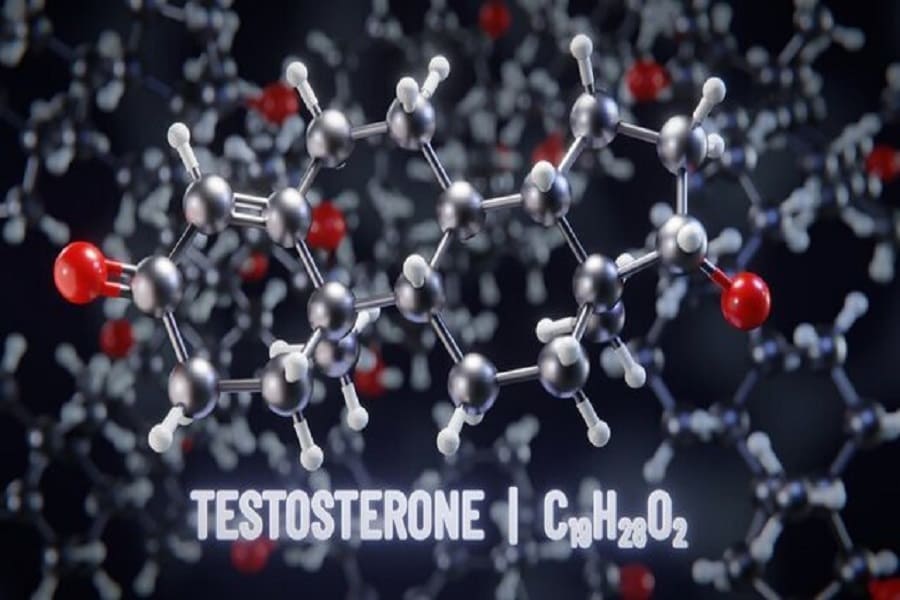
Introduction: Understanding Testosterone and Its Role in the Body, and follow the Natural Ways to Raise Testosterone Levels
Testosterone is one of the most important hormones in the human body, influencing far more than just sexual health. Often referred to as the “male hormone,” testosterone is actually present and essential in both men and women. Though men typically have significantly higher levels. This hormone is produced primarily in the testicles in men and in smaller quantities by the ovaries and adrenal glands in women.
Testosterone plays a critical role in:
- Muscle mass and strength development
- Bone density and skeletal health
- Fat distribution and metabolism
- Red blood cell production
- Mood regulation and cognitive function
- Libido and sexual function
- Energy levels and overall vitality
As we age, testosterone levels naturally decline. For men, this decline typically begins around age 30, with levels dropping approximately 1-2% per year. While this is a normal part of aging, many lifestyle factors common in modern society—poor diet, sedentary behavior, chronic stress, inadequate sleep, and exposure to environmental toxins—can accelerate this decline beyond what would naturally occur.
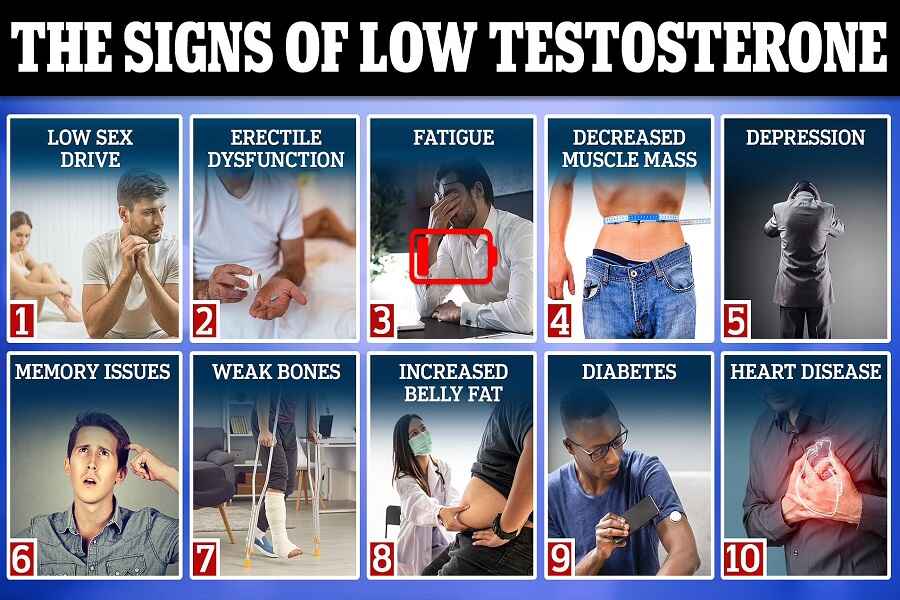
Low testosterone, sometimes called “low T” or hypogonadism, can manifest through various symptoms, including persistent fatigue and decreased muscle mass. Increased body fat (particularly around the abdomen), reduced libido, erectile dysfunction, mood swings, depression, difficulty concentrating, and decreased bone density.
The encouraging news is that for many individuals, especially those whose low testosterone stems from lifestyle factors rather than underlying medical conditions. Natural interventions can make a significant difference. This comprehensive guide will explore evidence-based, natural strategies to support healthy testosterone production. Covering everything from diet and exercise to sleep, stress management, and natural supplements.
How Diet Affects: Natural testosterone elevation
The Importance of Healthy Fats for Testosterone Production
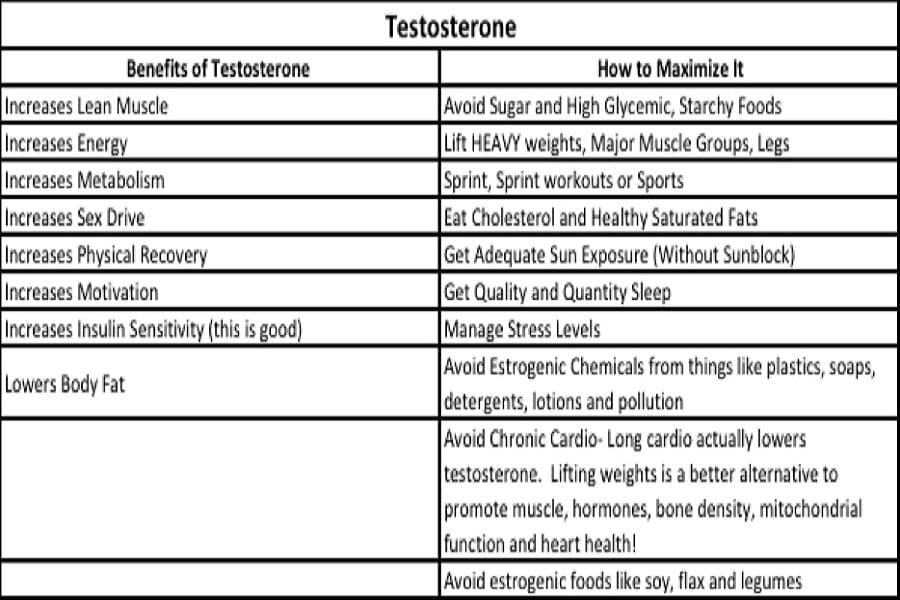
One of the most fundamental natural ways to raise testosterone levels involves paying attention to dietary fat intake. Testosterone is a steroid hormone synthesized from cholesterol, which means your body needs adequate fat intake to produce it efficiently.
Research has consistently shown that diets very low in fat—particularly those below 20% of total calories—are associated with lower testosterone levels. Compared to diets with moderate fat intake. This doesn’t mean you should eat unlimited amounts of any fat, but rather focus on incorporating a healthy balance of fat types.
Monounsaturated fats, found in olive oil, avocados, and nuts, have been associated with healthy testosterone levels in several studies. These fats are also beneficial for cardiovascular health, making them a smart addition to any diet.
Saturated fats, while often demonized, do play a role in testosterone production when consumed in moderation. Foods like eggs, full-fat dairy, and certain cuts of meat contain saturated fats alongside other testosterone-supporting nutrients like zinc and vitamin D. The key is moderation rather than elimination.
Omega-3 fatty acids, found in fatty fish like salmon, mackerel, and sardines, as well as in flaxseeds and walnuts, support overall hormonal health and have anti-inflammatory properties that may indirectly benefit testosterone production by reducing systemic inflammation.
For optimal results, aim to get approximately 20-35% of your daily calories from a mix of these healthy fat sources, while minimizing trans fats found in many processed and fried foods, which have been linked to negative effects on testosterone and overall hormonal health.
Zinc: A Critical Mineral for Boosting Testosterone Naturally
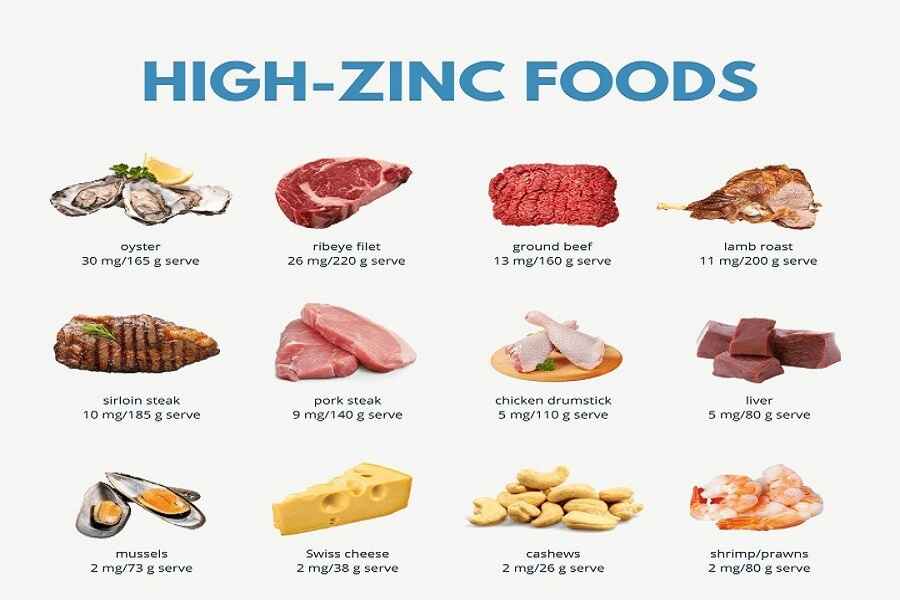
Zinc is one of the most important nutrients for natural ways to raise testosterone levels fast. It supports many enzymatic processes involved in hormone regulation.
Even mild zinc deficiency can lower testosterone levels in men. Research has linked inadequate zinc intake to reduced hormone production.
Studies show zinc supplementation can increase testosterone in deficient individuals. Improvements may appear within weeks or months.
Supplementation can help correct zinc deficiencies effectively. However, whole-food sources are generally the preferred option. They provide additional nutrients that support overall health. Whole foods also reduce the risk of excessive zinc intake.
Excellent dietary sources of zinc include:
- Oysters: Among the richest natural sources of zinc available
- Red meat: Beef and lamb provide substantial zinc, along with other testosterone-supporting nutrients
- Poultry: Chicken and turkey, particularly dark meat
- Pumpkin seeds: A convenient plant-based source
- Cashews and almonds: Provide zinc along with healthy fats
- Chickpeas and lentils: Good options for vegetarians and vegans
- Dairy products: Cheese and yogurt contain moderate amounts of zinc
For those who don’t regularly consume zinc-rich foods, particularly vegetarians and vegans (since plant-based zinc sources are less bioavailable than animal sources), a zinc supplement might be worth discussing with a healthcare provider, especially if blood tests reveal a deficiency.
Vitamin D: Vital for naturally raising testosterone
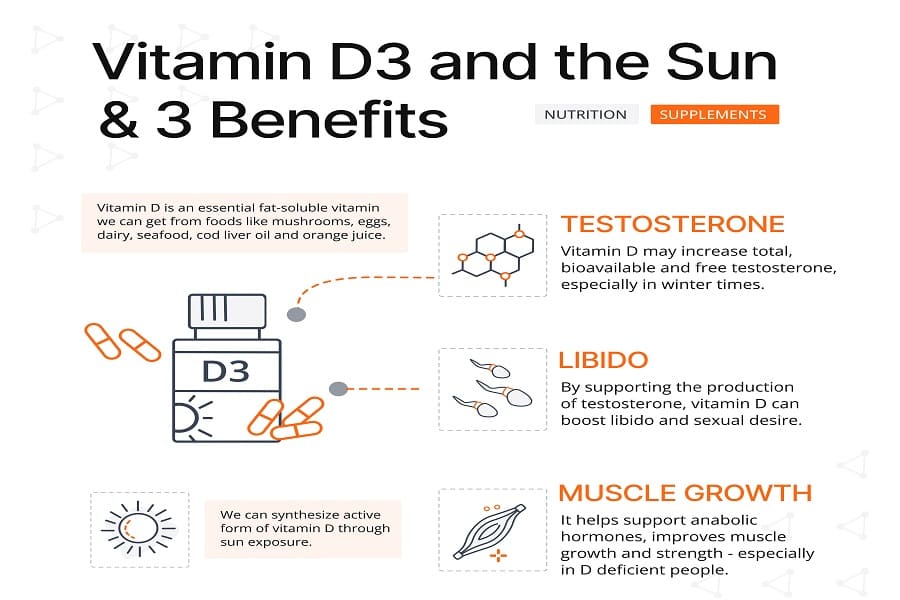
Vitamin D functions more like a hormone than a traditional vitamin in the body, and research has established clear links between vitamin D status and testosterone levels. Multiple studies have found that men with sufficient vitamin D levels tend to have significantly higher testosterone than those who are deficient, and supplementation in deficient individuals has been associated with testosterone increases.
Vitamin D deficiency is remarkably common, particularly in regions with limited sunlight, among individuals who spend most of their time indoors, and in people with darker skin tones (since melanin reduces vitamin D synthesis from sunlight).
Natural ways to optimize vitamin D levels include:
Sun exposure: Spending 15-30 minutes in midday sunlight several times per week, with significant skin surface exposed (arms, legs, back), allows your body to synthesize vitamin D naturally. The exact time needed varies based on skin tone, geographic location, season, and time of day.
Dietary sources: While few foods naturally contain significant vitamin D, fatty fish like salmon, mackerel, and sardines are good sources. Egg yolks, beef liver, and mushrooms exposed to UV light also contain meaningful amounts.
Fortified foods: Many dairy products, plant-based milk alternatives, and cereals are fortified with vitamin D.
Supplementation: For those unable to get adequate sun exposure or dietary vitamin D, supplements (typically vitamin D3) can help. However, it’s best to have levels tested before supplementing heavily, as vitamin D is fat-soluble and can accumulate to potentially harmful levels if over-supplemented.
Protein Intake and Its Connection to Testosterone
Protein serves multiple roles in supporting healthy testosterone levels. First, protein is essential for building and maintaining muscle mass, and muscle tissue is metabolically active in ways that support healthy hormone profiles. Second, protein helps regulate blood sugar and insulin levels, and chronically high insulin has been linked to lower testosterone.
However, the relationship between protein intake and testosterone isn’t simply “more is better.” Some research suggests that extremely high protein intake, particularly when it displaces other macronutrients like fats, might not provide additional testosterone benefits and could even have neutral or slightly negative effects in some contexts.
The sweet spot for most active individuals appears to be around 0.7-1 gram of protein per pound of body weight daily, particularly for those engaged in regular resistance training. Good protein sources include:
- Lean meats (chicken, turkey, lean beef)
- Fish and seafood
- Eggs (whole eggs provide more testosterone-supporting nutrients than egg whites alone)
- Legumes and beans
- Greek yogurt and cottage cheese
- Plant-based proteins like tofu and tempeh for vegetarians
The Impact of Sugar and Processed Foods on Testosterone

Modern diets high in refined sugars and processed foods can negatively affect testosterone levels through several mechanisms. When you consume large amounts of sugar, particularly refined sugars and high-fructose corn syrup, your body releases insulin to manage blood glucose levels. Chronically elevated insulin levels, often resulting from a diet high in processed carbohydrates, have been associated with lower testosterone production.
Additionally, diets high in processed foods often lead to weight gain and increased body fat, which independently contribute to lower testosterone through increased aromatase activity (an enzyme that converts testosterone to estrogen, abundant in fat tissue).
Processed foods also frequently lack the micronutrients—zinc, magnesium, and vitamin D—that are important for testosterone production, while simultaneously providing excess calories that can contribute to weight gain.
Practical steps to reduce processed food and sugar intake include:
- Gradually reducing sugary beverages like soda and sweetened coffee drinks
- Reading nutrition labels to identify hidden sugars in seemingly healthy foods
- Choosing whole fruits over fruit juices or dried fruit with added sugars
- Preparing more meals at home using whole ingredients
- Replacing processed snacks with nuts, seeds, or fresh fruit
Alcohol Consumption and Testosterone: Finding Balance
The relationship between alcohol and testosterone is complex and dose-dependent. Heavy, chronic alcohol consumption has consistently been shown to suppress testosterone production through multiple mechanisms, including direct toxic effects on the testicles (in men), disruption of the hypothalamic-pituitary-gonadal axis (which regulates hormone production), and increased conversion of testosterone to estrogen.
Chronic heavy drinking can also lead to liver damage, and since the liver plays a role in hormone metabolism, impaired liver function can further disrupt hormonal balance.
Moderate alcohol consumption appears to have less dramatic effects, though even moderate intake regularly might have subtle negative impacts on testosterone levels for some individuals. For those concerned about testosterone levels, limiting alcohol intake—particularly avoiding binge drinking and heavy regular consumption—is a sensible approach.
Exercise and Testosterone: Increase Testosterone Naturally
Resistance Training as a Natural Testosterone Booster
Among all lifestyle interventions, resistance training (also known as strength training or weightlifting) has some of the strongest evidence supporting its role in naturally raising testosterone levels, both acutely (in the hours following a workout) and over the long term (through changes in body composition and metabolic health).
When you perform resistance exercises, particularly compound movements that engage multiple large muscle groups, your body responds with an acute increase in testosterone production. This response appears to be most pronounced with:
Heavy loads: Working with weights in the range of 70-85% of your one-repetition maximum tends to produce greater hormonal responses than very light weights.
Compound movements: Exercises like squats, deadlifts, bench presses, overhead presses, rows, and pull-ups engage more muscle mass than isolation exercises like bicep curls, leading to greater hormonal responses.
Moderate to high volume: Performing multiple sets (typically 3-6) of each exercise, rather than just one set, appears to enhance the hormonal response.
Adequate rest between sets: Resting 1-3 minutes between sets allows for sufficient recovery to maintain training intensity throughout a workout.
Beyond the acute hormonal response to individual workouts, consistent resistance training over months and years leads to increased muscle mass and improved body composition, both of which are associated with healthier baseline testosterone levels.
For beginners, starting with 2-3 resistance training sessions per week, focusing on major compound movements and gradually increasing weight as strength improves, provides an excellent foundation. More experienced lifters might benefit from 3-5 sessions per week with more sophisticated programming.
High-Intensity Interval Training (HIIT) for Hormonal Health: Increase Testosterone Naturally
High-intensity interval training, which involves alternating between short bursts of maximum effort and periods of lower-intensity recovery, has gained popularity not just for its time efficiency but also for its potential hormonal benefits.
Research suggests that HIIT can produce favorable changes in testosterone levels, particularly when compared to steady-state moderate-intensity cardio performed for extended periods. HIIT also offers additional benefits relevant to testosterone health:
- Improved insulin sensitivity, which helps regulate blood sugar and supports healthy testosterone levels
- Effective fat loss, particularly visceral fat, which is strongly linked to lower testosterone when present in excess
- Time efficiency, making it easier to incorporate into busy schedules
- Cardiovascular benefits that support overall health
A basic HIIT protocol might involve:
- 5-minute warm-up at moderate intensity
- 30 seconds of maximum effort (sprinting, cycling at high resistance, or bodyweight exercises like burpees)
- 60-90 seconds of active recovery (walking or light cycling)
- Repeat for 6-10 rounds
- 5-minute cool-down
This type of training can be performed 1-3 times per week, ideally on days separate from heavy resistance training or with adequate spacing to allow for recovery.
The Risks of Overtraining and Excessive Cardio
While exercise is generally beneficial for testosterone levels, more isn’t always better. Excessive endurance training, particularly when combined with inadequate recovery, inadequate caloric intake, and chronic stress, can actually lead to decreased testosterone levels.
This phenomenon is sometimes observed in endurance athletes, such as marathon runners and triathletes, who may experience what’s sometimes called “exercise-induced hypogonadism.” The mechanisms behind this include:
- Chronically elevated cortisol levels from prolonged, intense training
- Energy deficits if training volume isn’t matched with adequate nutrition
- Increased inflammation from excessive training without sufficient recovery
- Disruption of the hypothalamic-pituitary-gonadal axis
This doesn’t mean endurance exercise is inherently bad for testosterone—moderate amounts of cardiovascular exercise are beneficial for overall health and can support healthy testosterone levels indirectly by improving cardiovascular health, insulin sensitivity, and body composition. The key is balance: incorporating adequate recovery days, ensuring proper nutrition to match training demands, and avoiding the trap of constantly pushing for more volume or intensity without listening to your body’s recovery needs.
Combining Exercise Types for Optimal Hormonal Health
The most effective approach for most individuals likely involves a combination of training modalities:
- 2-4 days of resistance training focusing on compound movements
- 1-2 days of HIIT or moderate-intensity cardio
- Adequate rest days for recovery
- Daily movement through walking or light activity
This balanced approach supports muscle development, cardiovascular health, fat loss, and stress management—all factors that contribute to healthy testosterone levels.
Sleep Optimization: The Foundation of Hormonal Health and Testosterone Optimization
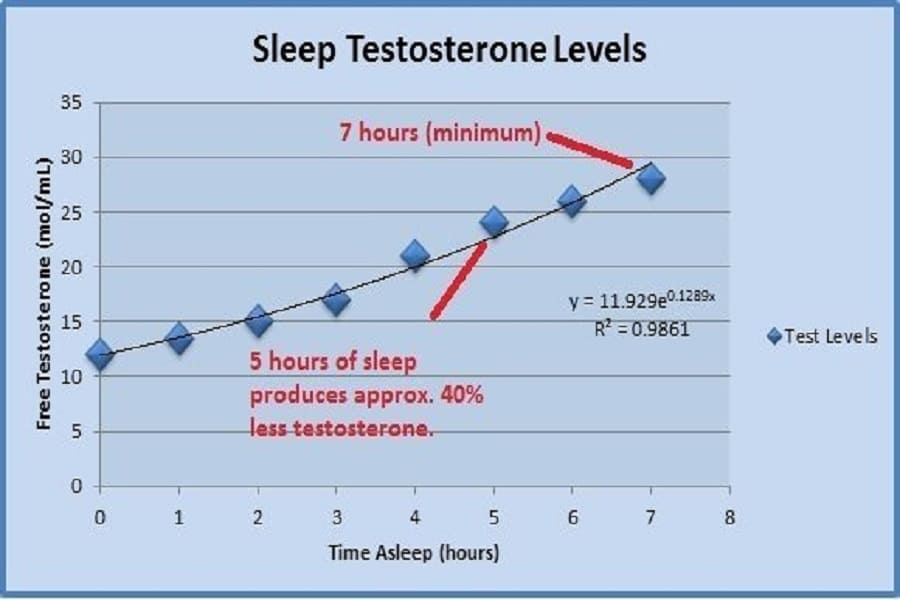
Why Sleep Is Crucial for Testosterone Production
Sleep is perhaps one of the most underappreciated factors when it comes to natural testosterone optimization, yet research consistently demonstrates its critical importance. The majority of daily testosterone release occurs during sleep, with levels typically peaking during REM (rapid eye movement) sleep stages, particularly in the early morning hours.
A landmark study found that healthy young men who restricted their sleep to 5 hours per night for just one week experienced a 10-15% reduction in testosterone levels—an effect comparable to aging 10-15 years in terms of hormonal decline. This dramatic finding underscores how quickly inadequate sleep can impact hormone levels, and conversely, how improving sleep quality and duration might help restore healthier testosterone levels relatively quickly.
Beyond the direct effects on testosterone production during sleep cycles, inadequate sleep also:
- Increases cortisol levels, which inversely affects testosterone
- Impairs insulin sensitivity, contributing to metabolic issues that affect hormone balance
- Increases hunger hormones and cravings for unhealthy foods, potentially leading to weight gain
- Reduces exercise performance and recovery, indirectly affecting the benefits of physical activity on testosterone
Practical Strategies for Improving Sleep Quality
Establish a consistent sleep schedule: Going to bed and waking up at the same time each day, including weekends, helps regulate your circadian rhythm and can improve both sleep quality and duration over time.
Create an optimal sleep environment: Your bedroom should be dark (consider blackout curtains), cool (most people sleep best in temperatures between 60-67°F or 15-19°C), and quiet (use earplugs or white noise machines if needed).
Limit blue light exposure before bed: The blue light emitted by phones, tablets, computers, and televisions can suppress melatonin production, making it harder to fall asleep. Try to avoid screens for at least 30-60 minutes before bedtime, or use blue light filtering glasses or device settings if screen use is unavoidable.
Be mindful of caffeine timing: Caffeine has a half-life of approximately 5-6 hours, meaning that consuming caffeine in the afternoon can still affect sleep quality even if you don’t feel “wired” at bedtime. Consider limiting caffeine intake to before noon or early afternoon.
Avoid heavy meals and alcohol close to bedtime
While alcohol might initially make you feel sleepy, it disrupts sleep architecture later in the night, reducing REM sleep quality. Heavy meals close to bedtime can cause discomfort and disrupt sleep.
Develop a relaxing pre-sleep routine: Activities like reading, gentle stretching, meditation, or taking a warm bath can signal to your body that it’s time to wind down.
Address underlying sleep disorders: Conditions like sleep apnea, which is more common in individuals with obesity, can severely disrupt sleep quality and have been independently linked to lower testosterone levels. If you suspect you have a sleep disorder—symptoms include loud snoring, gasping for air during sleep, or excessive daytime sleepiness despite adequate sleep duration—consult a healthcare provider.
The Importance of Sleep Duration
While sleep quality matters, duration is also important. Most adults require 7-9 hours of sleep per night for optimal health, though individual needs can vary somewhat. Consistently sleeping less than 6 hours per night has been associated with various negative health outcomes, including the testosterone reductions mentioned earlier.
If you currently sleep significantly less than 7 hours per night, gradually increasing your sleep duration—even by 30-60 minutes—and maintaining this for several weeks may yield noticeable improvements in energy, mood, and potentially hormone levels.
Stress Management Techniques to Support Naturally Enhance Testosterone Production
Understanding the Cortisol-Testosterone Relationship
Cortisol and testosterone share an interesting relationship within the body’s hormonal system. Both hormones are synthesized from the same precursor molecule (pregnenolone). Under conditions of chronic stress, the body tends to prioritize cortisol production—a phenomenon sometimes referred to as “pregnenolone steal” or “cortisol shunt.” However, the exact mechanisms are more complex than this simplified explanation suggests.
Regardless of the precise biochemical pathway, the practical reality is clear: chronically elevated cortisol levels, resulting from ongoing psychological stress, physical stress (like overtraining), or other stressors, are consistently associated with lower testosterone levels.
This creates a potential vicious cycle: stress lowers testosterone, low testosterone can contribute to mood issues and fatigue, which can increase perceived stress, further perpetuating the cycle.
Evidence-Based Stress Reduction Techniques
Mindfulness meditation: Regular meditation practice, even just 10-15 minutes daily, has been shown to reduce cortisol levels and improve stress resilience over time. Apps and guided meditations make this practice accessible to beginners.
Deep breathing exercises: Techniques like diaphragmatic breathing (belly breathing) activate the parasympathetic nervous system, counteracting the stress response. A simple technique involves breathing in for 4 counts, holding for 4 counts, and exhaling for 6-8 counts, repeated for several minutes.
Progressive muscle relaxation: This technique involves systematically tensing and then relaxing different muscle groups throughout the body, which can help reduce physical tension associated with stress.
Time in nature: Research has consistently shown that spending time outdoors, particularly in green spaces or near water, can reduce cortisol levels and improve mood. Even short walks in nature can provide measurable stress-reduction benefits.
Journaling: Writing about thoughts, feelings, and experiences can help process emotions and reduce the psychological burden of stress. Some people find gratitude journaling particularly beneficial for shifting perspective.
Social connection: Maintaining strong relationships with friends and family provides emotional support that can buffer against stress. Studies have shown that social isolation is associated with higher cortisol levels and various negative health outcomes.
Engaging hobbies: Activities that provide a sense of flow or absorption—whether that’s playing music, gardening, painting, or playing sports—can provide mental breaks from daily stressors and contribute to overall well-being.
Limiting stressor exposure where possible: While not all stressors can be eliminated, identifying and addressing controllable sources of chronic stress (such as setting boundaries at work, reducing exposure to negative news, or addressing relationship conflicts) can help reduce overall stress burden.
The Role of Professional Support
For some individuals, stress and its impacts on overall health—including potential effects on hormone levels—may benefit from professional support. Working with a therapist or counselor can provide tools for managing chronic stress, anxiety, or depression, all of which can be intertwined with hormonal health.
Body Composition improves testosterone levels naturally
How Excess Body Fat Affects Testosterone Levels
The relationship between body fat and testosterone is well-established and bidirectional. Excess body fat, particularly visceral fat (the fat stored around abdominal organs), contains high levels of an enzyme called aromatase. This enzyme converts testosterone into estradiol, a form of estrogen.
As body fat increases, aromatase activity increases, leading to more conversion of testosterone to estrogen. This results in lower circulating testosterone levels and higher estrogen levels—a hormonal profile that can further promote fat storage, creating a challenging cycle to break.
Studies have consistently found that obese men have significantly lower testosterone levels compared to lean men, and that weight loss in obese individuals is often associated with improvements in testosterone levels.
Strategies for Healthy Weight Management
Focus on sustainable changes: Rather than extreme diets that are difficult to maintain, focus on gradual, sustainable changes to eating patterns that you can maintain long-term.
Prioritize whole foods: Building meals around vegetables, lean proteins, whole grains, and healthy fats naturally tends to reduce calorie density while providing better satiety and nutritional value compared to processed foods.
Combine dietary changes with exercise: While diet plays the primary role in weight management, combining dietary changes with regular exercise—particularly resistance training—helps preserve or build muscle mass while losing fat, which is beneficial for both body composition and metabolic health.
Avoid extremely low-calorie diets: While creating a calorie deficit is necessary for fat loss, extremely restrictive diets (very low calorie intake) can themselves negatively impact testosterone levels, as the body may interpret severe caloric restriction as a stress signal.
Monitor progress beyond the scale: Body composition changes (muscle gain alongside fat loss) might not always be reflected in scale weight, so consider other measures like how clothes fit, energy levels, and, if possible, body composition measurements.
The Underweight Concern
While much attention focuses on the negative effects of excess body fat on testosterone, being significantly underweight or having very low body fat percentages can also negatively impact testosterone levels. The body requires a certain amount of fat for proper hormone production, and very low body fat percentages (particularly in the context of inadequate caloric intake) can signal to the body that conditions aren’t favorable for normal hormonal function, potentially as an evolutionary mechanism related to reproduction and energy availability.
This is particularly relevant for individuals engaged in extreme dieting, certain competitive athletes (particularly in weight-class or aesthetic sports), and those with disordered eating patterns. For these individuals, achieving a healthy body weight (which might mean gaining weight) could be necessary for optimal testosterone levels.
Sunlight, Vitamin D, and Circadian Health
The Multifaceted Benefits of Sunlight Exposure
While we’ve already discussed vitamin D’s role in testosterone production, sunlight exposure offers benefits beyond vitamin D synthesis that may also support healthy hormone levels.
Circadian rhythm regulation: Exposure to natural light, particularly in the morning, helps regulate your body’s internal clock (circadian rhythm). A well-regulated circadian rhythm supports healthy sleep patterns, which, as discussed, are crucial for testosterone production.
Mood enhancement: Sunlight exposure has been linked to increased serotonin production, which can improve mood. Better mood and reduced symptoms of depression may indirectly support healthier hormone levels, as depression has been associated with lower testosterone in some studies.
Reduced stress hormones: Some research suggests that sunlight exposure can help reduce cortisol levels, particularly when exposure occurs at appropriate times (morning sunlight may be particularly beneficial for circadian regulation).
Practical Sunlight Exposure Recommendations: Natural ways to boost testosterone levels fast
For most people, aiming for 15-30 minutes of sunlight exposure daily, ideally with some skin exposed (arms, legs, or back) and without sunscreen for at least part of this time (assuming reasonable sun exposure without risk of burning), can provide benefits for vitamin D synthesis and circadian regulation.
The exact amount of time needed varies based on factors like skin tone (darker skin requires more time for the same vitamin D synthesis), geographic latitude (those further from the equator may need more time, especially in winter), season, and time of day (midday sun is most efficient for vitamin D synthesis but also carries higher burn risk).
For those in northern climates with limited winter sunlight, or for individuals who spend most of their time indoors, combining modest sun exposure when possible with dietary vitamin D sources and potentially supplementation (after consulting a healthcare provider) can help maintain adequate vitamin D levels year-round.
Natural Herbs and Supplements for Testosterone Support
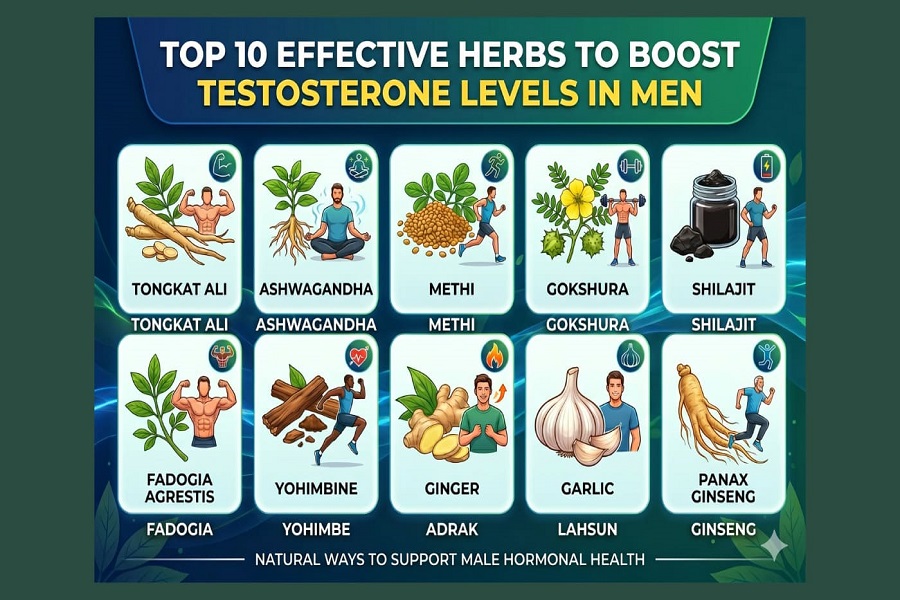
It’s important to preface this section by emphasizing that supplements should complement, not replace, the foundational lifestyle factors discussed throughout this article. Additionally, the supplement industry is not as tightly regulated as the pharmaceutical industry, so quality and purity can vary significantly between products. Always consult with a healthcare provider before starting any new supplement, particularly if you’re taking medications or have underlying health conditions.
Ashwagandha: An Adaptogenic Herb for Stress and Hormone Balance: Natural herbs that help raise testosterone levels
Ashwagandha (Withania somnifera) is an adaptogenic herb that has been used in traditional Ayurvedic medicine for centuries. Modern research has investigated its potential effects on stress hormones and, by extension, testosterone levels.
Several studies have found that ashwagandha supplementation can reduce cortisol levels in stressed individuals. Since cortisol and testosterone have an inverse relationship, reducing chronic stress and cortisol elevation through ashwagandha supplementation might indirectly support healthier testosterone levels, particularly in individuals experiencing significant stress.
Some studies specifically examining ashwagandha’s effects on testosterone in men have found modest increases in testosterone levels alongside improvements in markers like sperm quality and strength gains during resistance training programs.
Fenugreek: Traditional Use Meets Modern Research
Fenugreek (Trigonella foenum-graecum) is an herb that has been used traditionally in various cultures for its purported effects on male reproductive health and milk production in breastfeeding women.
Research on fenugreek’s effects on testosterone has shown some promising results, with certain studies finding improvements in testosterone levels, libido, and strength measures with fenugreek supplementation. The proposed mechanism involves fenugreek’s potential to inhibit certain enzymes involved in testosterone conversion, potentially helping maintain higher free testosterone levels.
D-Aspartic Acid: An Amino Acid with Hormonal Effects
D-Aspartic acid (D-AA) is an amino acid that’s naturally found in certain tissues involved in hormone regulation, including the testes, pituitary gland, and hypothalamus. Some research has investigated its potential role in testosterone production.
Studies on D-AA supplementation have shown mixed results—some studies, particularly in men with lower baseline testosterone levels or infertility issues, have found increases in testosterone with supplementation. However, other studies, particularly in athletes with already-elevated testosterone levels from training, haven’t found significant additional benefits.
Tribulus Terrestris: Popular but Mixed Evidence
Tribulus terrestris is a plant that has been used in traditional medicine systems, particularly in supporting male reproductive health and athletic performance. It’s one of the most commonly marketed “testosterone boosting” supplements, though the scientific evidence supporting direct testosterone increases is mixed.
Some studies have found improvements in libido and sexual function with Tribulus supplementation, even without significant changes in testosterone levels, suggesting other mechanisms might be at play for any benefits observed.
Magnesium: An Often-Overlooked Mineral
Magnesium is involved in hundreds of enzymatic reactions in the body, and research has linked magnesium status to testosterone levels. Some studies have found that magnesium supplementation, particularly in individuals who are deficient or who engage in regular exercise, can support healthier testosterone levels.
Magnesium-rich foods include leafy greens, nuts, seeds, whole grains, and legumes. Given that magnesium deficiency is relatively common (partly due to modern agricultural practices that may deplete soil magnesium content), ensuring adequate magnesium intake through diet and potentially supplementation if needed represents a reasonable strategy.
Ginger: A Common Spice with Potential Benefits
Ginger, commonly used as a culinary spice, has also been studied for its potential effects on testosterone and reproductive health, particularly in the context of fertility. Some studies have found improvements in testosterone levels and sperm quality parameters with ginger supplementation, potentially related to its antioxidant properties.
Environmental Factors and Endocrine Disruptors: How to improve testosterone levels without medication
Understanding Endocrine Disruptors
Endocrine disruptors are chemicals that can interfere with the body’s hormonal systems, potentially mimicking, blocking, or otherwise disrupting natural hormone function. Several common endocrine disruptors have been studied for their potential effects on testosterone and other reproductive hormones.
Bisphenol A (BPA): Found in some plastics, including certain water bottles, food containers, and the lining of canned foods. BPA has estrogen-like properties and has been associated with reduced testosterone levels in some studies.
Phthalates: A group of chemicals used to make plastics more flexible, found in some personal care products, vinyl flooring, and certain plastic products. Phthalates have been linked to disruptions in testosterone production in various studies.
Parabens: Preservatives commonly used in cosmetics, skincare products, and some pharmaceuticals. Some research suggests parabens may have endocrine-disrupting effects, though the clinical significance for testosterone levels in typical exposure scenarios remains an area of ongoing research.
Practical Steps to Reduce Endocrine Disruptor Exposure
Choose alternatives to plastic food storage: Glass or stainless steel containers for food storage, particularly for hot foods or when microwaving, can reduce exposure to chemicals that might leach from plastics.
Be cautious with canned foods: Some canned foods have linings containing BPA. Choosing fresh, frozen, or products labeled as “BPA-free” can reduce exposure.
Read personal care product labels: Choosing products free from parabens and phthalates, when feasible, can reduce exposure through skincare, cosmetics, and personal care routines.
Filter drinking water: Depending on your water source, filtering tap water can help reduce exposure to various contaminants, including some endocrine-disrupting chemicals.
Ventilate indoor spaces: Some endocrine disruptors are found in household products like certain cleaning products, air fresheners, and furniture. Good ventilation and choosing products with fewer synthetic chemicals when possible can help reduce indoor exposure.
Heat Exposure and Testicular Health: Safe ways to increase testosterone
For men specifically, the testicles function optimally at temperatures slightly below core body temperature, which is part of why they’re located outside the body cavity. Activities that significantly increase scrotal temperature for extended periods—such as frequent and prolonged hot tub or sauna use, wearing very tight underwear, or occupational exposure to heat (such as certain industrial jobs)—have been associated with reduced sperm quality and, in some cases, effects on testosterone production.
This doesn’t mean occasional sauna or hot tub use is necessarily harmful, but for those concerned about testosterone and reproductive health, moderating frequent, prolonged heat exposure to this area might be a reasonable consideration.
Lifestyle Habits That Support Long-Term Hormonal Health: Testosterone-Boosting Lifestyle Strategies
The Impact of Sedentary Behavior
Beyond structured exercise, the amount of time spent sitting or being sedentary throughout the day appears to have its own impact on metabolic and hormonal health, somewhat independent of whether someone exercises regularly.
Prolonged sitting has been associated with reduced insulin sensitivity, increased risk of weight gain, and various cardiovascular risk factors—all of which can indirectly affect testosterone levels. Simple strategies to reduce sedentary time include:
- Taking brief walking breaks every 30-60 minutes during long periods of sitting
- Using a standing desk for part of the workday
- Walking during phone calls when possible
- Taking stairs instead of elevators
- Parking further away to incorporate more walking
- Standing or walking during television viewing when feasible
Social Connections and Hormonal Health
Interestingly, research has explored connections between social factors and testosterone levels. Some studies have found associations between relationship status, social interactions, and competitive activities with testosterone fluctuations. While the practical implications of this research for “boosting” testosterone aren’t entirely clear, maintaining strong social connections and engaging in meaningful activities supports overall mental health and well-being, which has broader implications for hormonal balance through stress reduction and improved mood.
Mental Health and Testosterone: Lifestyle changes to increase testosterone naturally
Depression and testosterone levels appear to have a bidirectional relationship—low testosterone has been associated with increased depression risk, and depression itself has been linked to lower testosterone levels in some studies. This relationship underscores the importance of addressing mental health concerns as part of a holistic approach to hormonal health.
If you’re experiencing symptoms of depression or anxiety alongside symptoms that might suggest low testosterone (fatigue, low libido, mood changes), addressing mental health through appropriate support—whether that’s therapy, lifestyle changes, or, in some cases, medication under professional guidance—represents an important component of overall health, separate from but potentially connected to hormonal optimization.
Foods That Support Healthy Testosterone Levels: Hormone-balancing foods and habits

Bringing together the nutritional information discussed throughout this article, here’s a practical list of foods that, as part of a balanced diet, may support healthy testosterone levels:
Proteins: Eggs (whole), grass-fed beef, wild-caught fish (salmon, sardines, mackerel), poultry, oysters
Healthy fats: Olive oil, avocados, nuts (almonds, walnuts, Brazil nuts), seeds (pumpkin, flax, chia)
Vegetables: Leafy greens (spinach, kale), broccoli and other cruciferous vegetables, garlic, onions
Fruits: Pomegranates, berries (rich in antioxidants)
Whole grains and legumes: Lentils, chickpeas, quinoa, oats
Other: Dark chocolate (in moderation, for magnesium and antioxidants), green tea
Building meals around combinations of these foods—for example, a salad with leafy greens, grilled salmon, avocado, pumpkin seeds, and an olive oil-based dressing—provides a nutrient-dense foundation that supports overall hormonal health.
Creating Your Personalized Plan: Testosterone-boosting lifestyle
Assessing Your Current Habits
Before making changes, it can be helpful to honestly assess your current habits across the key areas discussed:
- How many hours of sleep do you typically get, and how would you rate your sleep quality?
- How often do you engage in resistance training or other forms of exercise?
- How would you describe your typical diet—high in processed foods, balanced, or restrictive?
- How would you rate your current stress levels, and what stress management techniques (if any) do you currently use?
- What is your current body composition, and is your weight in a healthy range for your body type?
Prioritizing Changes: Natural testosterone elevation
Avoid changing every lifestyle habit at once. This approach often leads to burnout and abandoned goals. Focus on one or two important areas first. Choose changes that seem impactful and realistic. For many people, sleep is the best starting point.
Quality sleep can quickly support hormone production. Better sleep often makes other habits easier. Exercise and stress management become more manageable. Sedentary individuals may benefit from exercise first. Resistance training can produce noticeable improvements. Training two to three times weekly is effective. Consistency matters more than perfection.
Tracking Progress
Blood testing provides the most accurate testosterone measurement. Healthcare providers can help interpret results. Many people notice benefits before testing. Energy, mood, and sleep quality often improve. Body composition and libido may also improve. These changes can indicate positive progress.
Keep a simple journal to track habits. Record sleep duration and sleep quality. Track exercise sessions and dietary patterns. Note stress levels, energy, and mood. These records help identify effective changes. They also support long-term consistency and success.
Patience and Consistency
Natural approaches to supporting testosterone levels typically don’t produce dramatic overnight changes. Instead, meaningful improvements often develop over weeks to months of consistent effort. This timeline can be frustrating in a culture that often seeks quick fixes, but sustainable, long-term health improvements rarely come from short-term interventions. So patience is the key point for natural ways to raise testosterone levels.
When Natural Approaches Aren’t Enough: Recognizing the Need for Medical Evaluation
Symptoms That Warrant Medical Attention
While lifestyle factors play a significant role in testosterone levels for many people, some individuals have underlying medical conditions that contribute to low testosterone, and those won’t be fully addressed through lifestyle changes alone. Symptoms that might warrant medical evaluation include:
- Persistent, severe fatigue that doesn’t improve with adequate sleep and rest
- Significant, unexplained muscle loss despite adequate protein intake and resistance training
- Persistent low libido or erectile dysfunction
- Gynecomastia (breast tissue development in men)
- Infertility concerns
- Persistent depression or mood changes
- Significant decreases in body or facial hair growth (in men)
What to Expect from Medical Evaluation to Boosting Testosterone Naturally
If you consult a healthcare provider about potential low testosterone, they’ll likely begin with a thorough history and physical examination. Followed by blood tests to measure testosterone levels as well as other related hormones like LH, FSH, and estradiol.
Testosterone levels naturally fluctuate throughout the day, typically being highest in the morning. So blood tests are often recommended to be done in the morning for accuracy. Sometimes, multiple tests on different days are recommended to confirm consistently low levels, as a single low reading might not be representative.
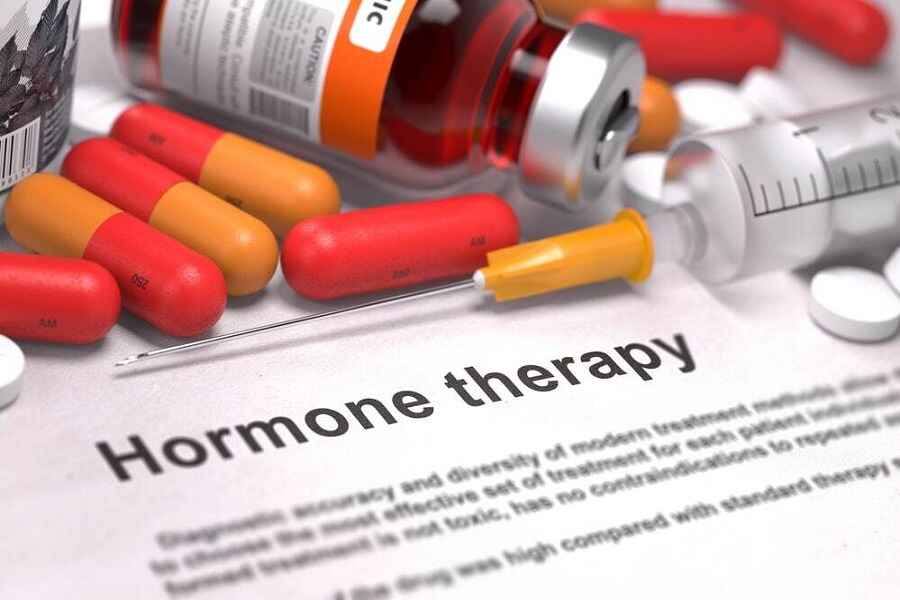
If low testosterone is confirmed, your healthcare provider will work with you to identify potential underlying causes and discuss appropriate treatment options, which might range from continued lifestyle modifications (potentially with more targeted guidance) to medical treatments like testosterone replacement therapy in appropriate cases.
The Value of a Combined Approach
Even for individuals who do require medical treatment for low testosterone, the lifestyle factors discussed throughout this article remain relevant and valuable. Diet, exercise, sleep, and stress management all contribute to overall health and can complement medical treatments, potentially leading to better outcomes and greater well-being.
Frequently Asked Questions: Natural testosterone enhancement
How quickly can natural methods raise testosterone levels?
Results vary between individuals and lifestyle changes. Better sleep may show benefits within days or weeks. Muscle building and fat loss take longer. Most natural methods require 8–12 weeks of consistency. Significant hormonal changes usually need time and patience.
Can women benefit from natural testosterone-boosting strategies?
Yes. Women naturally produce testosterone in smaller amounts. Testosterone supports muscle mass, bone health, libido, and energy. Healthy eating, exercise, sleep, and stress control benefit women too. The hormonal effects may differ in men.
Are testosterone-boosting supplements safe?
Safety depends on the supplement and dosage. Individual health conditions also matter. Ashwagandha and fenugreek have relatively good safety records. Supplement quality can vary between manufacturers. Always consult a healthcare provider before use.
What foods should I avoid to increase testosterone naturally
Limit highly processed foods and added sugars. Reduce excessive alcohol consumption. Avoid foods containing trans fats whenever possible. These dietary changes may support healthier hormone levels. Evidence regarding soy and licorice remains mixed.
Does age affect results?
Natural methods help people of all ages. Younger individuals may see larger improvements. Older adults may experience more modest gains. Lifestyle habits remain important throughout life. Better health often leads to better hormone balance.
How does stress lower testosterone?
Chronic stress increases cortisol production. Cortisol and testosterone have an inverse relationship. High cortisol can reduce testosterone production. Stress also affects sleep quality and increases inflammation. Poor lifestyle habits often follow prolonged stress.
Can weight loss increase testosterone?
Yes, especially in overweight individuals. Excess body fat converts testosterone into estrogen. Losing fat can reduce this conversion. Many studies show improved testosterone after weight loss. Extreme dieting may negatively affect hormones.
Can symptoms occur with normal testosterone levels?
Yes. Normal ranges are very broad. Some people experience symptoms at lower-than-normal levels. Personal baseline levels also matter. Similar symptoms may result from other health conditions. Medical evaluation helps identify the real cause.
How does sleep apnea affect testosterone?: Optimize testosterone naturally
Sleep apnea disrupts normal sleep patterns. It often reduces restorative sleep stages. Oxygen levels may drop during sleep. These factors can lower testosterone production. Treatment may improve hormone levels and overall health.
Should I get tested before trying natural methods?
Testing is helpful but not mandatory. A baseline result tracks future progress. Testing can identify clinically low levels. It may also reveal other health problems. Consult a healthcare provider if symptoms are significant.
Can natural methods replace testosterone replacement therapy?
It depends on the underlying cause. Lifestyle-related low testosterone may improve naturally. Medical conditions often require professional treatment. Some individuals still need testosterone replacement therapy. Any treatment changes require medical supervision.
What role does intermittent fasting play?
Research findings remain mixed. Some studies suggest indirect benefits. Improved insulin sensitivity may help hormone health. Excessive calorie restriction may lower testosterone. Adequate nutrition remains essential during fasting.
Why is morning sunlight important?
Morning sunlight supports healthy circadian rhythms. It helps regulate the body’s internal clock. Better circadian function improves sleep quality. Improved sleep supports testosterone production. Midday sunlight remains best for vitamin D production.
Which exercises are most effective?
Compound exercises create strong hormonal responses. Squats, deadlifts, bench presses, and rows are excellent choices. These movements engage large muscle groups. A balanced training program remains most important. Consistency produces the best long-term results.
Can chronic illness affect results?
Yes. Many chronic illnesses influence testosterone production. Examples include diabetes and kidney disease. Liver, pituitary, and testicular disorders also matter. Lifestyle improvements still help overall health. Medical management may also be necessary. Illness is a bad effect on natural ways to raise testosterone levels.
Conclusion: Naturally Enhance Testosterone Production

Natural ways to raise testosterone levels require several healthy lifestyle habits working together. These habits support hormone production and overall well-being.
Important factors include a nutrient-rich diet. Key nutrients include zinc, vitamin D, protein, and healthy fats. Regular resistance training is also important. Consistent physical activity supports healthy testosterone levels. Quality sleep plays a major role. Effective stress management is equally important. Maintaining a healthy body weight is beneficial. Reducing exposure to environmental toxins may also help.
These factors are closely connected. Better sleep can improve exercise performance and energy levels. It can also encourage healthier dietary choices. Regular exercise may improve sleep quality. Exercise can also reduce stress levels. Effective stress management supports hormonal balance. It also promotes healthier daily habits. Focusing on multiple areas often delivers better results. A single strategy is usually less effective.
Many individuals can benefit from these natural approaches. Lifestyle-related testosterone issues may improve significantly. Benefits may include better energy and mood. Muscle strength and body composition may improve. Libido and overall quality of life may also increase. The goal is not a specific testosterone number. Sustainable habits should remain the primary focus. Long-term health and wellness are more important.
Increasing testosterone naturally supports overall health improvement. Nutrition, exercise, sleep, and stress management are essential. Healthy lifestyle choices support natural hormone production. These habits can provide lasting physical benefits. They can also improve mental well-being over time.
Disclaimer: This article is intended for informational and educational purposes only and does not constitute medical advice. The information provided should not be used to diagnose or treat any health condition. Always consult with a qualified healthcare provider.