

Introduction: Body Changes at 40 Male: What Happens and What to Do After 40
Body Changes at 40 Male is a major milestone in a man’s life. For many men, this stage brings greater career stability, family responsibilities, emotional maturity, and life experience. However, it is also the period when the body begins to show noticeable physical and mental changes. These changes are natural and happen gradually, but many men are surprised when they start experiencing lower energy, slower metabolism, weight gain, reduced muscle strength, sleep problems, or hormonal shifts.
The good news is that aging does not mean losing health, fitness, or confidence. In fact, men who understand the body changes at 40 and take proper action can remain strong, active, productive, and mentally sharp for decades.
This article explains the most common body changes at 40 male, why they happen, and what men should do after 40 to maintain long-term health and wellness. The guide is written in simple language so readers of all backgrounds can understand and apply the advice easily.
Why the Male Body Changes After 40
Understanding the Aging Process in Men
As men age, the body naturally slows down in several ways. Hormone production changes, metabolism becomes less efficient, muscles decline gradually, and recovery from stress or physical activity takes longer.
Several biological factors contribute to these changes:
- Lower testosterone levels
- Reduced muscle mass
- Slower calorie burning
- Changes in sleep quality
- Increased stress hormones
- Lifestyle habits accumulated over the years
- Reduced physical activity
- Poor diet, smoking, and alcohol use
While these changes are normal, unhealthy habits can make them worse. On the other hand, healthy habits can slow down aging and improve quality of life.
Body Changes at 40 Male
Slower Metabolism and Weight Gain
One of the most common complaints among men after 40 is unexpected weight gain, especially around the belly.
Why It Happens
After 40, the body burns calories more slowly than before. Muscle mass also decreases naturally, and since muscle burns more calories than fat, metabolism becomes slower.
Many men continue eating the same amount of food they ate in their twenties, but their bodies no longer process calories the same way.
Signs of Slower Metabolism
- Belly fat increases
- Weight gain despite normal eating
- Difficulty losing weight
- Feeling sluggish after meals
- Reduced energy levels
What to Do
Eat More Protein
Protein helps maintain muscle and keeps you full longer. Include:
- Eggs
- Fish
- Chicken
- Lentils
- Beans
- Greek yogurt
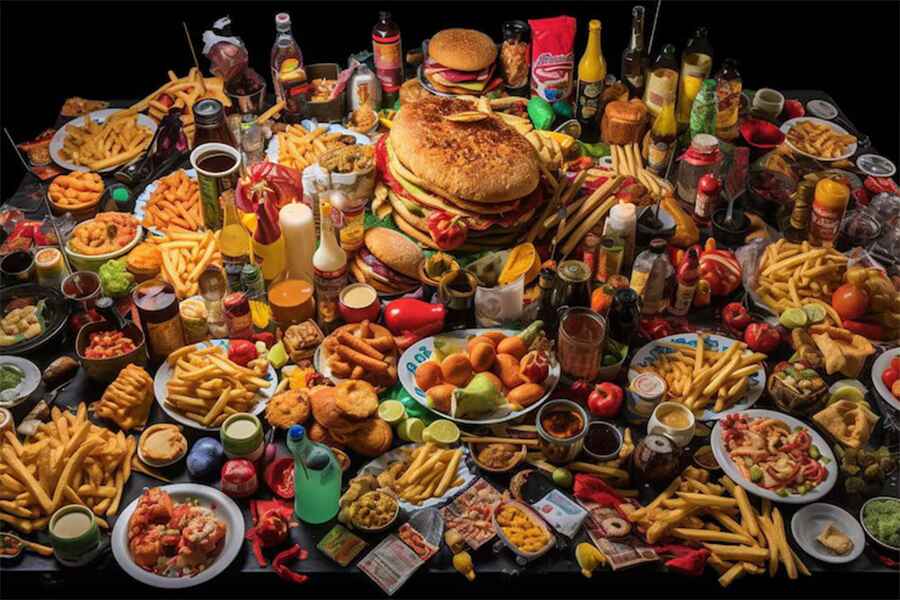
Reduce Processed Foods
Avoid excessive:
- Sugary drinks
- Fast food
- Packaged snacks
- White bread
- Excess sweets
Increase Daily Movement
Walking, cycling, stretching, and strength training help improve metabolism.
Control Portion Sizes
Men over 40 often need fewer calories than before.
Muscle Loss and Reduced Strength
Age-Related Muscle Decline
Men naturally lose muscle mass after 40. This process is called sarcopenia.
Symptoms
- Reduced strength
- Difficulty lifting heavy items
- Slower recovery after workouts
- Less stamina
- Softer body appearance
Why Muscle Loss Matters
Muscles are important not only for appearance but also for:
- Balance
- Bone health
- Mobility
- Metabolism
- Injury prevention
What to Do
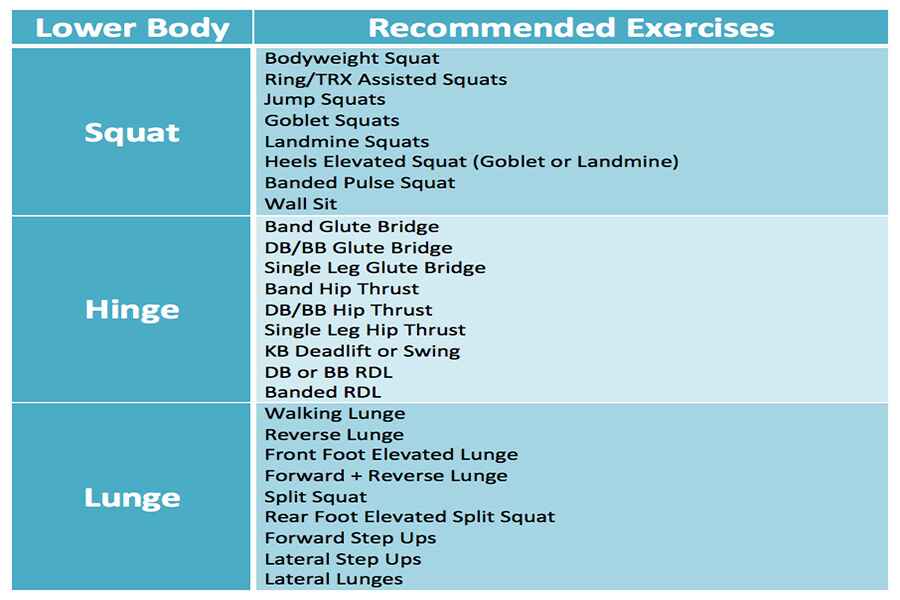
Start Strength Training
Strength exercises are one of the best anti-aging tools for men.
Good options include:
- Push-ups
- Squats
- Resistance bands
- Dumbbells
- Gym weight training
Exercise Frequency
- 2 to 4 strength sessions weekly
- Rest between sessions
- Focus on proper form
Increase Protein Intake
Protein supports muscle repair and growth.
Get Enough Sleep
Muscles recover during sleep.
Testosterone Levels Begin to Decline
Hormonal Changes in Men After 40
Testosterone is the primary male hormone. It affects:
- Energy
- Muscle mass
- Mood
- Libido
- Bone strength
After 40, testosterone gradually declines.
Signs of Low Testosterone
- Low energy
- Reduced sex drive
- Mood changes
- Increased body fat
- Reduced motivation
- Difficulty concentrating
What to Do
Improve Lifestyle First
Healthy habits can naturally support hormone balance.
Prioritize Sleep
Poor sleep lowers testosterone.
Exercise Regularly
Strength training especially helps hormone health.
Reduce Stress
Chronic stress increases cortisol, which negatively affects testosterone.
Maintain a Healthy Weight
Excess belly fat is linked to lower testosterone.
Eat Healthy Fats
Healthy fats support hormone production:
- Nuts
- Olive oil
- Avocados
- Fatty fish
Consider Medical Advice
If symptoms are severe, consult a healthcare professional for hormone evaluation.
Increased Belly Fat
Why Men Develop Abdominal Fat After 40
Belly fat becomes more common because:
- Metabolism slows
- Testosterone declines
- Physical activity decreases
- Stress levels rise
Risks of Belly Fat
Excess abdominal fat increases the risk of:
- Heart disease
- Diabetes
- High blood pressure
- Sleep apnea
What to Do
Reduce Sugar Intake
Sugar contributes heavily to belly fat.
Improve Sleep
Poor sleep increases fat storage hormones.
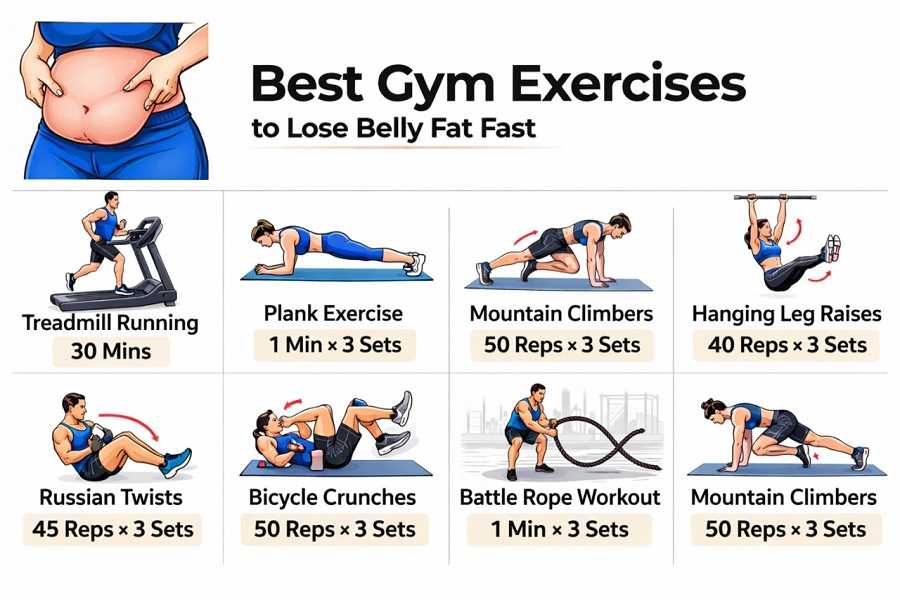
Do Cardio Exercise
Examples:
- Brisk walking
- Swimming
- Jogging
- Cycling
Avoid Sitting Too Long
Long sitting periods slow metabolism.
Heart Health Becomes More Important
Cardiovascular Changes After 40
Heart disease risk increases with age.
Common Risk Factors
- High cholesterol
- High blood pressure
- Smoking
- Obesity
- Diabetes
- Stress
- Lack of exercise
Warning Signs
- Chest discomfort
- Shortness of breath
- Fatigue
- Dizziness
What to Do
Eat a Heart-Healthy Diet
Focus on:
- Fruits
- Vegetables
- Whole grains
- Fish
- Nuts
Limit:
- Fried foods
- Excess salt
- Processed meat
Monitor Blood Pressure
Regular health checkups are essential after 40.
Stay Physically Active
At least 150 minutes weekly.
Changes in Skin and Hair
Visible Signs of Aging in Men
After 40, many men notice:
- Wrinkles
- Dry skin
- Hair thinning
- Gray hair
Why It Happens
Collagen production decreases with age.
What to Do
Stay Hydrated
Water supports healthy skin.
Use Sunscreen
Sun damage accelerates aging.
Eat Antioxidant-Rich Foods
Examples:
- Berries
- Tomatoes
- Green vegetables
Avoid Smoking
Smoking damages skin and hair health.
Reduced Energy Levels
Why Men Feel More Tired After 40
Fatigue becomes more common because of:
- Hormonal changes
- Poor sleep
- Stress
- Weight gain
- Reduced activity
What to Do
Improve Sleep Habits
Aim for:
- 7–9 hours nightly
- Consistent bedtime
- Less screen time before sleep
Exercise Daily
Exercise improves energy despite temporary tiredness.
Stay Hydrated
Dehydration causes fatigue.
Reduce Alcohol
Alcohol affects sleep and energy.
Sleep Problems Become More Common
Sleep Changes in Men Over 40
Many men experience:
- Difficulty falling asleep
- Frequent waking
- Light sleep
- Snoring
- Sleep apnea
Why Sleep Matters
Poor sleep affects:
- Hormones
- Brain function
- Weight
- Mood
- Heart health
What to Do
Create a Sleep Routine
Sleep and wake at the same time daily.
Avoid Heavy Meals Before Bed
Large meals disrupt sleep.
Limit Caffeine at Night
Especially after the afternoon hours.
Keep Bedroom Cool and Dark
A comfortable sleep environment matters.
Mental Health and Emotional Changes
Psychological Changes at 40
Middle age can bring emotional stress related to:
- Career pressure
- Financial concerns
- Parenting
- Aging parents
- Health worries
Some men also feel anxious about aging itself.
Common Emotional Symptoms
- Stress
- Anxiety
- Irritability
- Lack of motivation
- Depression
What to Do
Talk About Stress
Sharing emotions with trusted people helps mental health.
Practice Relaxation
Options include:
- Meditation
- Deep breathing
- Prayer
- Nature walks
Maintain Social Connections
Friendships improve emotional health.
Seek Professional Help if Needed
Mental health care is important for men, too.
Bone Density Starts Decreasing
Bone Health in Men After 40
Bones slowly lose density with age.
Risks
- Weak bones
- Fractures
- Joint pain
What to Do
Consume Calcium-Rich Foods
Examples:
- Milk
- Yogurt
- Cheese
- Leafy greens
Get Vitamin D
Sunlight and supplements may help.
Do Weight-Bearing Exercise
Walking and resistance training strengthen bones.
Joint Pain and Stiffness
Aging and Joint Health
Men after 40 often notice:
- Knee pain
- Back pain
- Stiff shoulders
- Reduced flexibility
Causes
- Wear and tear
- Inflammation
- Poor posture
- Lack of exercise
What to Do
Stretch Daily
Flexibility exercises help mobility.
Maintain a Healthy Weight
Extra weight stresses joints.
Stay Active
Movement improves joint lubrication.
Use Proper Posture
Especially during work and lifting.
Changes in Sexual Health
Sexual Changes in Men Over 40
Sexual function can change gradually.
Possible Changes
- Reduced libido
- Slower arousal
- Erectile difficulties
- Lower stamina
Causes
- Stress
- Hormonal changes
- Poor circulation
- Diabetes
- Smoking
What to Do
Improve Overall Health
Healthy body systems improve sexual health.
Exercise Regularly
Cardio improves blood flow.
Communicate Openly With Partner
Emotional connection matters.
Avoid Smoking and Excess Alcohol
Both negatively affect sexual performance.
What Men Should Do at 40
Healthy Habits Every Man Should Follow After 40
Turning 40 is the perfect time to improve health habits.
Get Regular Health Checkups
Important Health Screenings
Men over 40 should monitor:
- Blood pressure
- Blood sugar
- Cholesterol
- Weight
- Heart health
Why It Matters
Early detection prevents major diseases.
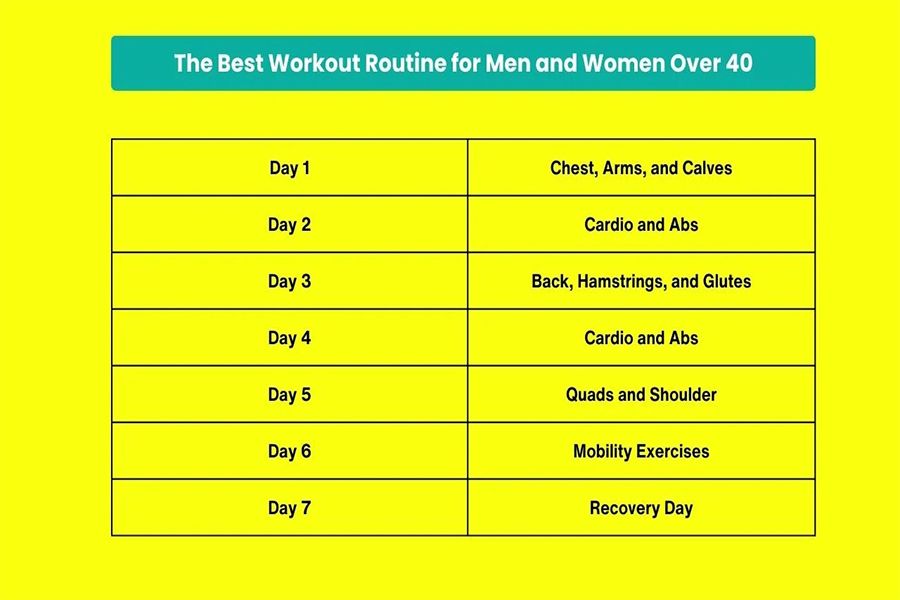
Exercise Consistently
Best Exercises for Men Over 40
A balanced fitness routine includes:
Strength Training
Builds muscle and bone strength.
Cardio Exercise
Supports heart health.
Flexibility Work
Improves mobility and prevents injury.
Balance Exercises
Reduce fall risk later in life.
Eat a Balanced Diet
Healthy Nutrition for Men After 40
Focus on:
- Lean protein
- Fiber
- Fruits
- Vegetables
- Whole grains
- Healthy fats
Avoid Excess
- Sugar
- Fried food
- Alcohol
- Processed meat
Maintain a Healthy Weight
Why Weight Management Matters
A healthy weight reduces the risk of:
- Diabetes
- Heart disease
- Joint pain
- Sleep apnea
Simple Weight Tips
- Eat slowly
- Control portions
- Stay active
- Drink water before meals
Prioritize Mental Health
Emotional Wellness After 40
Mental health affects physical health, too.
Healthy Mental Habits
- Spend time with family
- Take breaks from work
- Enjoy hobbies
- Practice gratitude
- Manage stress effectively
Stop Smoking
Smoking Accelerates Aging
Smoking damages:
- Heart
- Lungs
- Skin
- Blood vessels
Quitting smoking improves health at any age.
Limit Alcohol Intake
Alcohol and Aging
Too much alcohol contributes to:
- Weight gain
- Liver disease
- Poor sleep
- Hormonal imbalance
Moderation is important.
Stay Hydrated
Importance of Water
Water supports:
- Digestion
- Skin
- Energy
- Joint health
Aim to drink enough fluids daily.
Protect Brain Health
Keeping the Mind Sharp After 40
Brain function can decline slowly with age.
Brain-Healthy Activities
- Reading
- Learning skills
- Social interaction
- Physical exercise
- Healthy sleep
Build a Long-Term Health Plan
Healthy Aging Is a Lifestyle
Men who age well usually:
- Stay active
- Eat carefully
- Manage stress
- Sleep properly
- Maintain relationships
- Attend health checkups
Consistency matters more than perfection.

Best Foods for Men After 40
Nutrient-Rich Foods That Support Healthy Aging
Fatty Fish
Rich in omega-3 fats for heart and brain health.
Eggs
Excellent protein source.
Leafy Greens
Support heart and bone health.
Nuts
Contain healthy fats and minerals.
Berries
Rich in antioxidants.
Yogurt
Supports gut and bone health.
Whole Grains
Improve digestion and energy.
Worst Habits for Men After 40
Habits That Speed Up Aging
Avoid:
- Smoking
- Excess alcohol
- Lack of sleep
- Sitting all day
- Chronic stress
- Poor diet
- Ignoring health checkups
Daily Routine Tips for Men Over 40
A Healthy Lifestyle Routine
Morning
- Drink water
- Stretch
- Eat a healthy breakfast
Afternoon
- Walk during breaks
- Eat balanced meals
- Stay hydrated
Evening
- Exercise
- Eat a lighter dinner
- Reduce screen time
Night
- Sleep on time
- Relax before bed
Myths About Aging in Men
Common Misunderstandings
Myth 1: Weight Gain Is Unavoidable
Healthy habits can prevent major weight gain.
Myth 2: Men Over 40 Cannot Build Muscle
Strength training still works effectively.
Myth 3: Low Energy Is Normal
Constant fatigue may indicate lifestyle or health problems.
Myth 4: Aging Means Poor Health
Many men remain healthy and active well into older age.
When to See a Doctor
Warning Signs That Need Medical Attention
Consult a healthcare professional if you experience:
- Chest pain
- Severe fatigue
- Sudden weight changes
- Depression
- Erectile dysfunction
- Sleep apnea symptoms
- Persistent pain
Early treatment improves outcomes.
Building Confidence After 40
Aging Can Be Positive
Many men become:
- More confident
- Emotionally mature
- Financially stable
- Mentally resilient
Aging can be an opportunity for self-improvement and healthier living.

Final Thoughts about Body changes at 40 male
Body changes at 40 male are natural and happen to almost every man. Slower metabolism, muscle loss, hormonal changes, increased belly fat, lower energy, sleep problems, and emotional stress are all common experiences during this stage of life.
However, turning 40 does not mean losing health or vitality. Men who focus on exercise, healthy eating, sleep, stress management, and regular health checkups can stay strong, energetic, and mentally sharp for many years.
The key is to understand the changes, accept them wisely, and take positive action early. Small daily habits make a huge difference over time. Healthy aging is not about looking younger — it is about feeling stronger, living better, and enjoying life fully.
By making smart lifestyle choices after 40, men can protect their bodies, improve their minds, and create a healthier future for themselves and their families.
https://shorturl.fm/qCi30
https://shorturl.fm/HK86H
https://shorturl.fm/TWoJx
https://shorturl.fm/fEJcX
https://shorturl.fm/3hwg3
https://shorturl.fm/spmy8
https://shorturl.fm/FFKgk
https://shorturl.fm/Iz22F
https://shorturl.fm/TVSOi
https://shorturl.fm/BzTaO
https://shorturl.fm/XXMHh
https://shorturl.fm/ZB6uB
https://shorturl.fm/hdRwA
https://shorturl.fm/Alpbg
https://shorturl.fm/d9Te0
https://shorturl.fm/GpFzy
https://shorturl.fm/bQt4u
https://shorturl.fm/BHZNm
https://shorturl.fm/rbLkb
https://shorturl.fm/APwEL
https://shorturl.fm/cfjtL
https://shorturl.fm/B1b2E
https://shorturl.fm/J96oB
https://shorturl.fm/JOWTe
https://shorturl.fm/W6gDb
https://shorturl.fm/Z3OlD
https://shorturl.fm/QpOEE
https://shorturl.fm/jwREn
https://shorturl.fm/eLhmg
https://shorturl.fm/aOpZB
https://shorturl.fm/rJaEA
https://shorturl.fm/QIOKS
https://shorturl.fm/ejMDE
https://shorturl.fm/uVeTM
https://shorturl.fm/k0svT
https://shorturl.fm/9rms5