
Fueling the Future: Guide to Nutrition for Young Athletes

- Young Athletes
Introduction: Nutrition For Young Athletes
More Than Just Game Day: How the Right Fuel Builds Champions on and off the Field. Nutrition for young athletes is very crucial. The whistle blows, the crowd cheers, and a young athlete sprints across the field, their heart pounding with a mix of adrenaline and focus. In that moment, victory hinges on countless hours of practice, natural talent, and sheer determination. But there’s another, often invisible, factor that can make or break that performance.
Sports nutrition for young athletes.
In the world of youth sports, we spend countless hours perfecting the jump shot, the swim stroke, or the sprint start. We invest in elite coaching, specialized camps, and top-tier equipment. Yet, one of the most critical components of athletic success—and overall well-being—is frequently overlooked.
Proper nutrition for young athletes.
For young athletes, food is not just about satisfying hunger or avoiding junk food. It is the fuel that powers every sprint, the building block that repairs muscles after a hard workout, and the foundation for healthy growth and development. A well-nourished young athlete performs better, recovers faster, gets injured less often, and builds a positive relationship with food that can last a lifetime.
This guide is for everyone invested in that journey: for parents navigating grocery aisles and busy schedules; for coaches who want to give their teams a competitive edge; and for the young athletes themselves, who are learning that what they put on their plate is just as important as what they do on the field. This isn’t about restrictive diets or complicated meal plans. It’s about understanding the power of real food and building sustainable, healthy habits that fuel both performance and growth.
Part 1: Why Nutrition for Young Athletes Is Different
Before diving into specific foods, it’s crucial to understand that a young athlete is not simply a smaller version of an adult athlete. They are navigating two simultaneous, demanding physiological processes: the rigors of athletic training and the complex journey of growth and development. This dual demand makes their nutritional needs for young athletes uniquely high and critically important.
The Balancing Act: Performance vs. Growth
An adult athlete’s body primarily uses energy to fuel performance and repair training-induced damage. A young athlete’s body must do all that plus build bone mass, develop organs, support hormonal changes, and grow in height. If they don’t consume enough energy (calories) to cover both their sport and their growth, their body will be forced to make a choice. Unfortunately, it will often choose growth, leaving the athlete in a state of relative energy deficiency. This can lead to:
- Stunted growth: A failure to reach genetic height potential.
- Delayed puberty: Hormonal imbalances that affect development.
- Increased injury risk: Stress fractures, muscle strains, and other overuse injuries become far more common when the body lacks the building blocks for repair.
- Hormonal disruption: In female athletes, this can manifest as the Female Athlete Triad—a dangerous combination of low energy availability, menstrual dysfunction, and low bone density.
The Golden Rule: Energy Availability
The central principle of the youth athlete’s diet is energy availability. This is the amount of energy (calories) left over after the energy burned during exercise is subtracted, which is then used for all other bodily functions, including growth. When energy availability is optimal, athletes thrive. When it’s insufficient—whether due to restrictive dieting, unintentional under-fueling, or a high training load without a corresponding increase in food intake—the entire system breaks down.
The goal, therefore, is not to restrict but to adequately fuel. For a young athlete, more food is often the answer, provided it’s the right kind of food.
Part 2: The Big Three – Macronutrients for Power and Recovery

- Girls Soccer Team
Just like a car needs gasoline, oil, and coolant to run smoothly, a young athlete’s body requires three primary macronutrients: carbohydrates, protein, and fats. Each plays a distinct, non-negotiable role.
Carbohydrates: The Primary Fuel Source
For too long, carbohydrates have been unfairly demonized in popular diet culture. For a young athlete, they are not the enemy; they are the most critical fuel source. Carbohydrates for athletes act as the high-octane gasoline in the tank.
When we eat carbohydrates, the body breaks them down into glucose, which is used immediately for energy. Any excess glucose is stored in the muscles and liver as glycogen. During exercise, especially high-intensity activities like sprinting, soccer, basketball, or swimming, the body taps into these glycogen stores. When those stores run low—a phenomenon known as “hitting the wall”—fatigue sets in, focus wanes, and performance plummets.
Where to find them: The best sources are complex carbohydrates, which provide a steady release of energy.
- Whole grains: Oatmeal, brown rice, quinoa, whole-wheat bread, and pasta.
- Starchy vegetables: Sweet potatoes, potatoes, corn, peas.
- Fruits: Bananas, apples, berries, oranges.
- Legumes: Lentils, chickpeas, black beans.
Timing matters: A meal rich in complex carbs 2-3 hours before practice tops off glycogen stores. Simple, easily digestible carbs (like a banana or a slice of white bread with jam) are ideal for a quick energy boost 30-60 minutes before an event.
Protein: The Building Block for Growth and Repair
If carbohydrates are the fuel, protein for young athletes is the construction crew. After a tough practice or game, muscles experience tiny, microscopic tears. Protein provides the essential amino acids needed to repair this damage, making muscles stronger and more resilient (a process called muscle protein synthesis). For young athletes, protein is also critical for overall growth.
Nutrition for Young Athletes: How much is enough?
The common misconception is that young athletes need massive amounts of protein or expensive supplements. In reality, their needs are easily met through a balanced diet. A good target is roughly 0.5 to 0.7 grams of protein per pound of body weight per day. For a 100-pound athlete, that’s about 50-70 grams—the equivalent of a cup of Greek yogurt at breakfast, a chicken breast at lunch, and a serving of fish or beans at dinner.
Nutrition for Young Athletes: Where to find it:
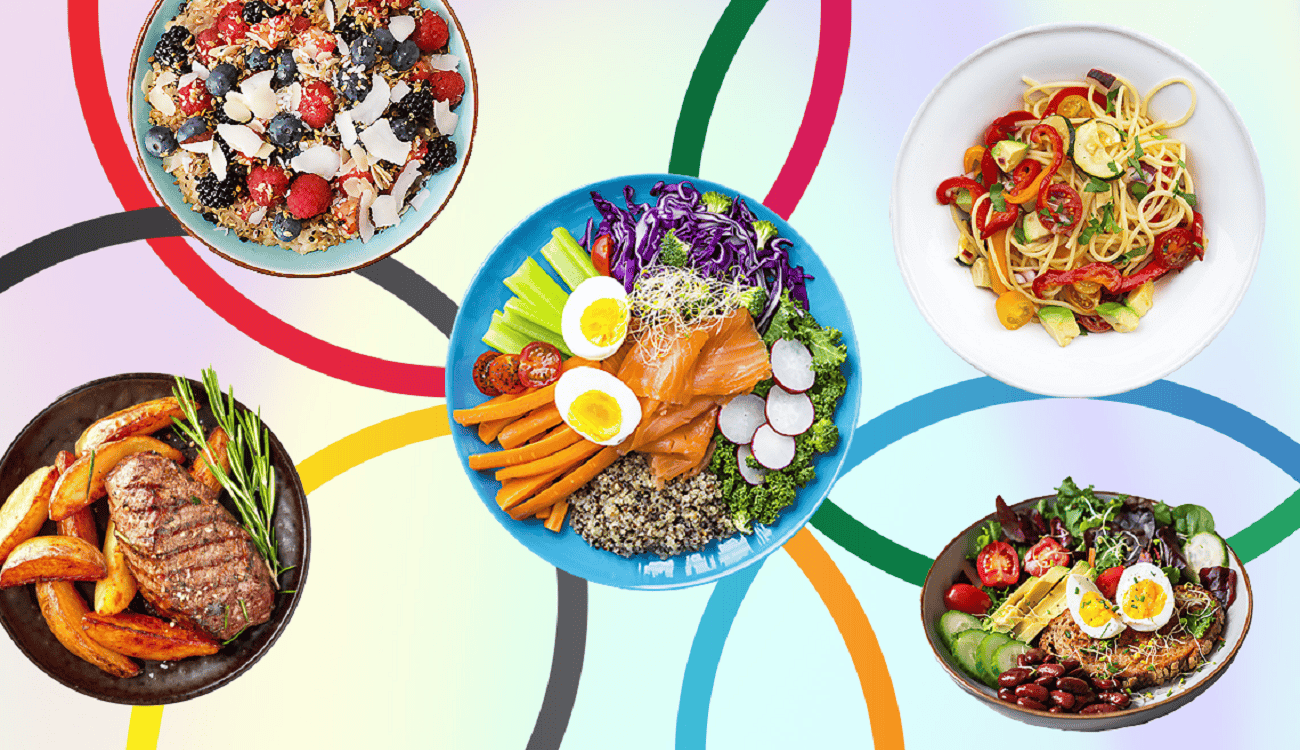
- Eat Like An Olympian
- Lean meats: Chicken, turkey, lean beef.
- Fish: Salmon, tuna, which also provide beneficial omega-3 fats.
- Dairy: Greek yogurt, cottage cheese, milk.
- Eggs: A complete protein powerhouse.
- Plant-based: Tofu, edamame, lentils, chickpeas, and quinoa.
The Power of Timing: The post-workout “anabolic window” is a real concept. Consuming protein (along with carbohydrates) within 30-60 minutes after exercise maximizes recovery. A simple chocolate milk—with its ideal 3:1 or 4:1 carb-to-protein ratio—is one of the most effective and affordable recovery drinks available.
Nutrition for Young Athletes, Fats: Essential for Hormones and Energy
Fats are not the enemy. They are a vital source of long-lasting energy for lower-intensity activities and endurance sports. More importantly, they are essential for absorbing fat-soluble vitamins (A, D, E, K), maintaining healthy skin and hair, cushioning organs, and—crucially for young athletes—supporting hormone production, including sex hormones necessary for puberty and reproductive health.
Where to find them:
- Unsaturated fats (the healthy kind): Avocados, nuts (almonds, walnuts), seeds (chia, flax), nut butters, and olive oil.
- Omega-3 fatty acids: Fatty fish (salmon, mackerel), walnuts, and flaxseeds. Omega-3s are particularly important for their anti-inflammatory properties, which aid in recovery.
Aim to have fats make up about 20-30% of total daily calories. Because fats digest slowly, it’s best to avoid large, fatty meals immediately before exercise to prevent stomach discomfort.
Part 3: Micronutrients – The Unsung Heroes of Sports Nutrition
While macronutrients get the spotlight, micronutrients—vitamins and minerals—are the essential workers behind the scenes. A deficiency in even one can hinder performance, increase injury risk, and compromise overall health.
Nutrition for Young Athletes, Calcium and Vitamin D: The Bone Builders
Childhood and adolescence are the prime time for building bone density. In fact, about 90% of peak bone mass is established by age 18 in females and by age 20 in males. This “bone bank” is what athletes will rely on for the rest of their lives. High-impact sports place immense stress on bones, making adequate calcium for young athletes and vitamin D non-negotiable.
- Calcium: Found in dairy products (milk, yogurt, cheese), fortified plant-based milks, leafy greens (kale, collard greens), and canned salmon (with bones).
- Vitamin D: Essential for calcium absorption. While sunlight is a primary source, many young athletes are deficient. Sources include fatty fish, egg yolks, and fortified foods. Given the prevalence of deficiency, a healthcare provider may recommend a supplement.
Iron: The Oxygen Carrier
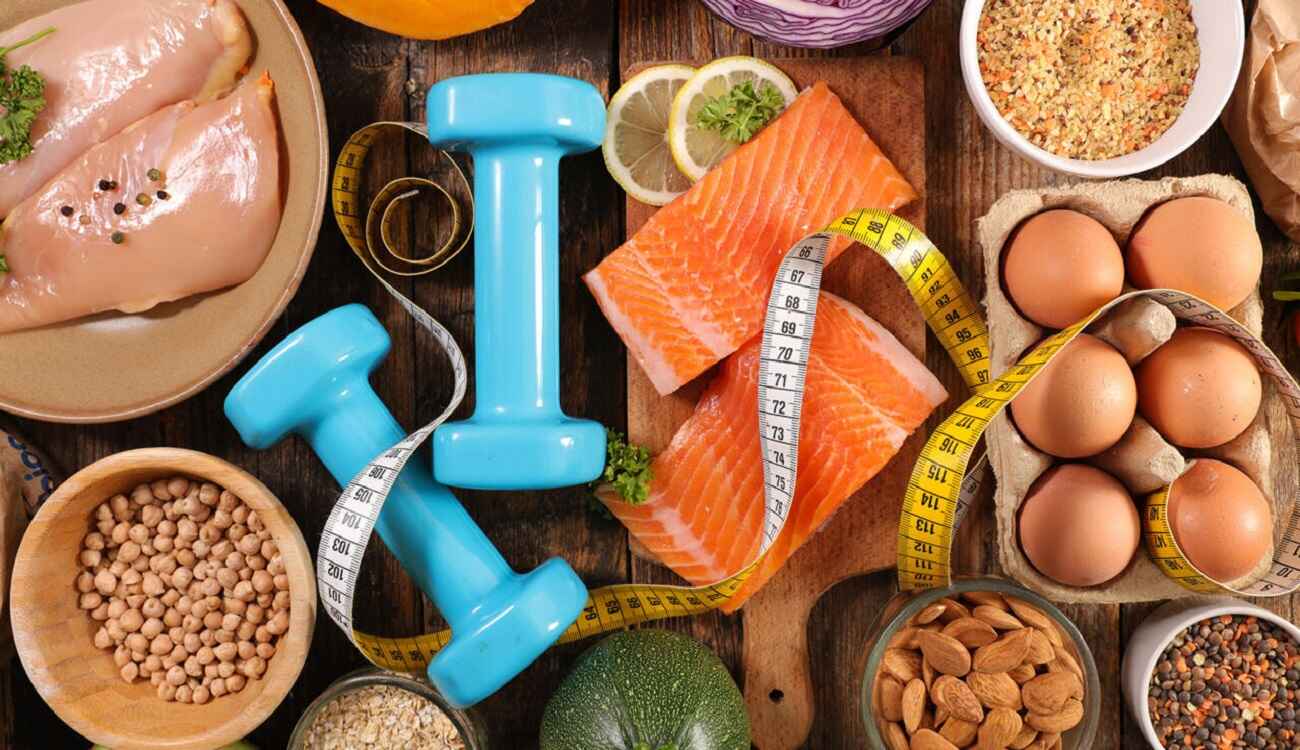
- Sport Alimentation
Hemoglobin for athletes is a critical component of hemoglobin, the protein in red blood cells that carries oxygen to working muscles. Iron deficiency, even without full-blown anemia, is one of the most common nutritional issues in young athletes, especially female athletes who lose iron through menstruation. Symptoms include persistent fatigue, decreased endurance, weakness, and impaired cognitive function (making it harder to learn new plays or strategies).
Where to find it:
- Heme iron (most absorbable): Lean red meat, poultry, and fish.
- Non-heme iron (plant-based): Spinach, lentils, fortified cereals, and beans. To boost absorption, pair these with a source of Vitamin C, like citrus fruits, strawberries, or bell peppers.
Hydration and Electrolytes: The Performance Fluid
Hydration for young athletes is, without question, one of the most critical aspects of sports nutrition. Even a 2% loss of body weight from sweating can lead to a noticeable drop in performance, decreased coordination, and impaired mental focus.
Dehydration can happen quickly, especially for young athletes who have a higher body surface area-to-mass ratio, produce more heat during exercise, and have a less efficient sweat mechanism than adults.
The Hydration Game Plan:
- Before: Drink 16-20 ounces of water 2-3 hours before exercise.
- During: Sip 4-8 ounces of water or a sports drink every 15-20 minutes during activity, especially if it lasts longer than an hour or is in hot, humid conditions.
- After: Rehydrate with water and consider a sports drink or chocolate milk if the session was intense and sweaty to replenish both fluids and electrolytes (sodium and potassium).
When to use a sports drink: For most practices under an hour, water is sufficient. Sports drinks are beneficial during prolonged, intense exercise (over 60-90 minutes) or in extreme heat, as they provide carbohydrates for energy and electrolytes (sodium) to maintain fluid balance. Avoid energy drinks, which contain high levels of caffeine and other stimulants, as they are unsafe for young athletes.
Part 4: The Game Plan – Meal Timing and Daily Nutrition

- Teenage Athletes Right Diet
Knowing what to eat is one thing; making it happen amidst school, practice, and family life is another. Here is a practical day-to-day guide focused on meal timing for athletes.
Breakfast: The Kickstart
After an overnight fast, the body needs to replenish glycogen stores. A breakfast-skipping athlete is starting practice in a deficit. A great breakfast combines complex carbs, protein, and a piece of fruit.
- Options: Oatmeal made with milk, topped with berries and chopped nuts; whole-wheat toast with avocado and a fried egg; a smoothie with Greek yogurt, spinach, banana, and a spoonful of nut butter.
Pre-Workout (2-3 Hours Before): The Fill-Up
This pre-workout meal should be focused on easily digestible carbohydrates with a moderate amount of protein and low fat and fiber to avoid GI distress.
- Options: A turkey and cheese sandwich on whole-wheat bread; a bowl of pasta with marinara sauce and grilled chicken; a burrito bowl with rice, beans, and lean steak.
Pre-Workout (30-60 Minutes Before): The Top-Off
A small, quick-digesting snack for an energy boost.
- Options: A banana; a granola bar; applesauce pouch; a handful of pretzels.
Post-Workout: The Recovery Window
Within 30-60 minutes, the goal is to replenish glycogen and kickstart muscle repair. A proper post-workout meal is essential for recovery.
- Options: Chocolate milk; a smoothie with fruit and protein powder; Greek yogurt with berries; a peanut butter and jelly sandwich.
Dinner: The Rebuild
A balanced meal to support overnight recovery and growth. Include all three macronutrients.
- Options: Baked salmon with roasted sweet potatoes and steamed broccoli; stir-fry with tofu, brown rice, and mixed vegetables; lean beef tacos on corn tortillas with a side of black beans and avocado.
Snacking: The Strategic Fuel
Healthy snacks for young athletes are essential. Young athletes often have high metabolisms and may need 3 meals and 2-3 snacks per day. Snacks are not a reward or a guilty pleasure; they are an opportunity to meet energy and nutrient goals.
- Smart choices: Trail mix, cheese sticks, apple slices with peanut butter, hummus with veggie sticks, cottage cheese with pineapple.
Part 5: Special Considerations and Common Challenges
No nutrition plan exists in a vacuum. Here are some common challenges young athletes and their families face.
The Picky Eater
For the athlete who is resistant to new foods, focus on variety within their comfort zone. If they love chicken nuggets, try baked, breaded chicken breast. If they only eat white bread, they use it as a vehicle for extra protein and fat (like a peanut butter sandwich). Involve them in grocery shopping and cooking—kids are often more willing to try food they helped prepare. The goal is progress, not perfection.
The Vegetarian or Vegan Athlete
A plant-based diet can absolutely support a young athlete, but it requires more planning. Key areas to watch are:
- Protein: Ensure adequate intake from diverse sources like tofu, tempeh, edamame, lentils, chickpeas, and seitan.
- Iron & Vitamin B12: Plant-based iron is less absorbable. Pair iron-rich foods with Vitamin C. B12 is not found in plants, so fortified foods (nutritional yeast, plant milks) or a supplement are essential.
- Calcium: Rely on fortified plant milks, tofu made with calcium sulfate, and leafy greens.
Travel, Tournaments, and On-the-Go Fueling
Weekend tournaments can be a nutritional minefield of fast food, concession stands, and erratic schedules. A little planning goes a long way.
- Pack a cooler: Bring sandwiches, yogurt tubes, pre-cut fruit, veggie sticks, string cheese, and plenty of water.
- Hotel room hacks: Bring a small blender for smoothies, oatmeal packets (use the coffee maker for hot water), and shelf-stable milk boxes.
- Concession stand survival: Opt for grilled chicken sandwiches over burgers, pretzels over chips, and always grab a banana if available.
Navigating Body Image and Weight Pressures
This is perhaps the most sensitive and critical area. Young athletes are under immense pressure regarding their bodies, whether from a coach suggesting they need to be “leaner,” a sport that emphasizes a certain physique (gymnastics, wrestling, dance), or societal pressures. Parents and coaches must be vigilant.
Red Flags:
- Drastic weight loss or gain.
- Obsessive tracking of calories or weight.
- Skipping meals, especially to “save calories.”
- Expressing fear of certain foods.
- Fatigue, frequent injuries, or mood changes.
The message must be clear: food is fuel for performance and health, not a tool for control. If an athlete needs to change their body composition, it should be done under the guidance of a registered dietitian who specializes in sports nutrition. Restrictive dieting during this developmental period can have lifelong consequences.
Part 6: The Role of Parents and Coaches: Fueling young champions
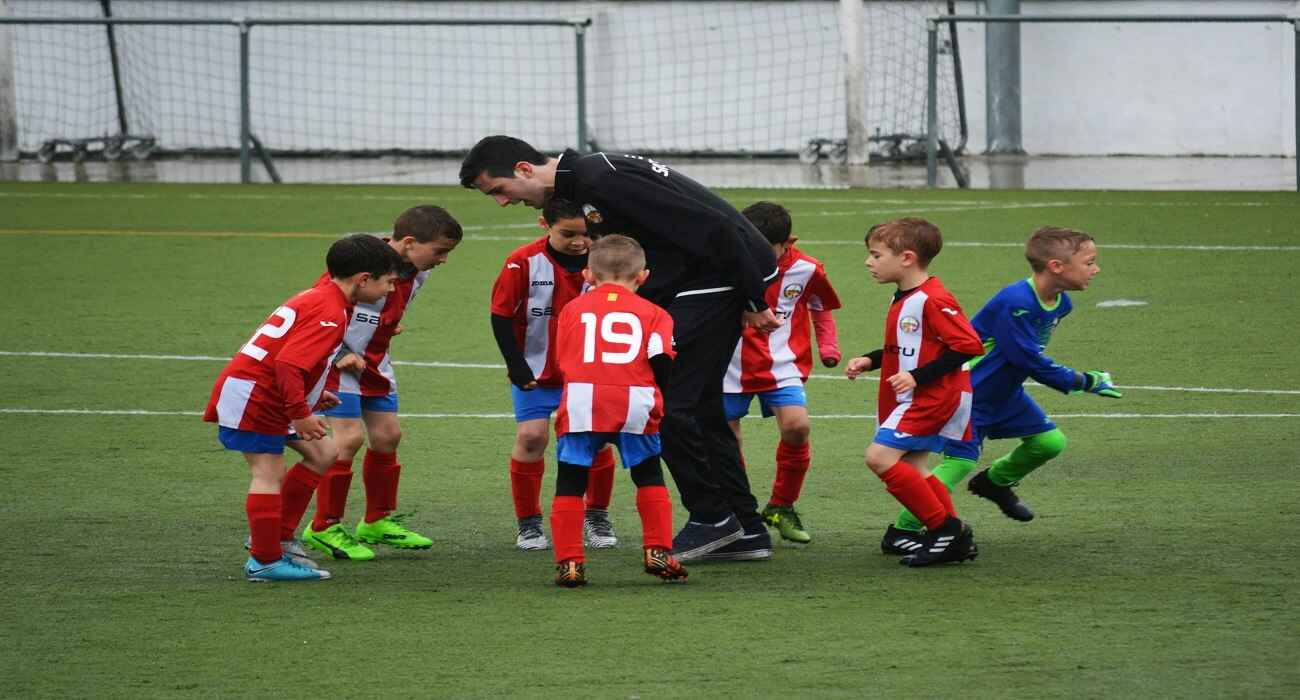
- Coach and athletes
The environment surrounding a young athlete is just as important as the food they eat.
For Parents: Be the Role Model and the Facilitator
- Create a supportive environment: Keep the kitchen stocked with healthy options. Make family meals a priority, as they are associated with better nutritional intake and a healthier relationship with food.
- Lead by example: Let your child see you enjoying a balanced meal. Your relationship with food will heavily influence theirs.
- Remove judgment: Avoid labeling foods as “good” or “bad.” Instead, talk about how different foods provide different types of fuel for the body.
- Communicate with coaches: Ensure the coach understands the importance of hydration breaks and not using food as a punishment or reward.
For Coaches: Educate and Empower
- Incorporate nutrition into your program: A 5-minute talk on hydration or the importance of breakfast can have a huge impact.
- Be mindful of your language: Avoid commenting on an athlete’s weight or body shape. Focus on performance, effort, and skill.
- Prioritize safety: Ensure water is always available at practice. Never restrict water as a form of discipline.
- Provide resources: Share credible information with parents and athletes. A simple handout on healthy snacks for tournaments can be invaluable.
Frequently Asked Questions: Nutrition for Young Athletes
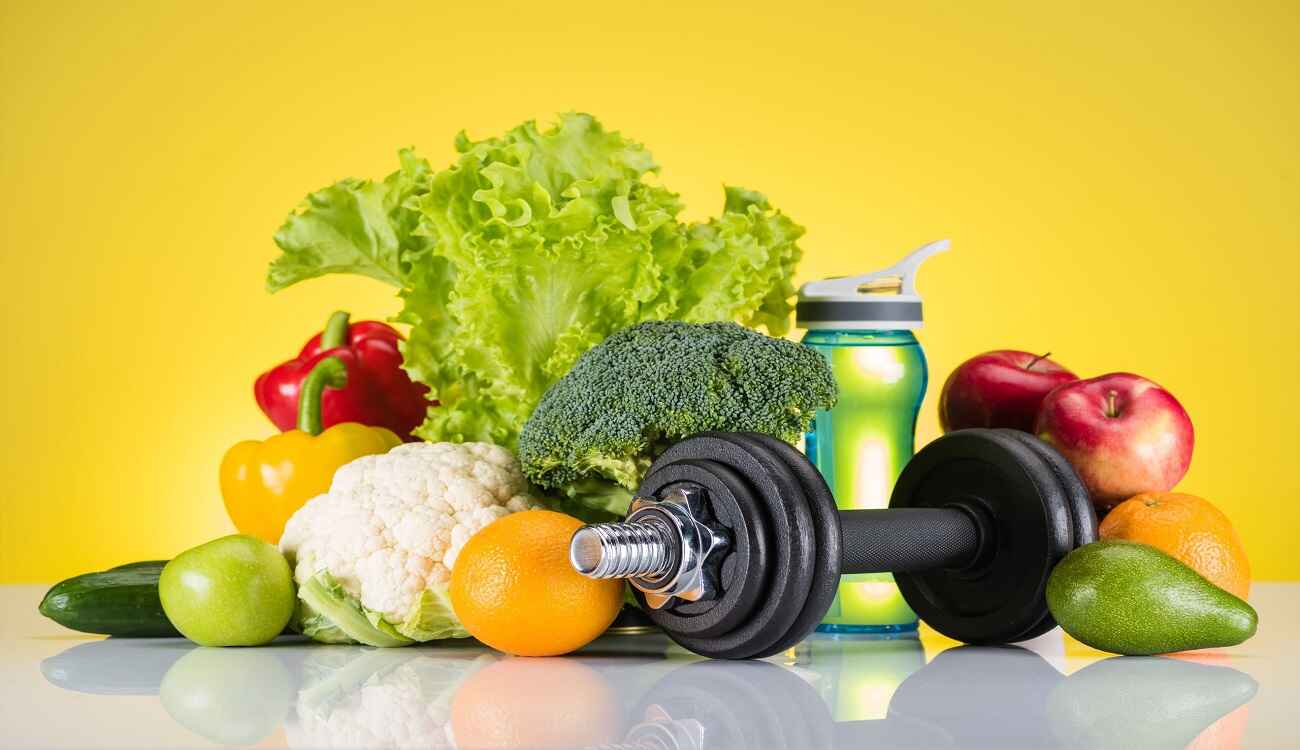
- Nutrition for Young Athletes
What is the best food for young athletes?
The best foods for young athletes are whole, nutrient-dense options that provide a balance of carbohydrates for energy, protein for muscle repair, and healthy fats for hormone function. Examples include oatmeal, lean meats, fish, eggs, dairy, fruits, vegetables, nuts, and whole grains.
How much protein does a young athlete need?
Young athletes typically need about 0.5 to 0.7 grams of protein per pound of body weight per day. This is easily achieved through a balanced diet without the need for supplements in most cases.
Are sports drinks good for young athletes?
Sports drinks are beneficial during prolonged, intense exercise lasting over 60-90 minutes or in hot, humid conditions to replenish electrolytes and provide carbohydrates. For most practices under an hour, water is sufficient. Energy drinks should be avoided.
What should a young athlete eat before a game?
A pre-game meal should be eaten 2-3 hours before the event and consist primarily of easily digestible carbohydrates with moderate protein. Examples include a turkey sandwich, pasta with marinara sauce, or a rice bowl with lean meat.
How can I help my young athlete recover after practice?
The best recovery strategy is to consume a combination of carbohydrates and protein within 30-60 minutes after exercise. Chocolate milk, a fruit smoothie with yogurt, or a peanut butter sandwich are excellent options.
Conclusion: Nutrition for young athletes

- Future Athletes
The journey of a young athlete is about more than wins and losses, personal bests, or college scholarships. It is a formative experience that builds character, discipline, resilience, and a sense of community.
Proper nutrition for young athletes is an integral part of that journey, not as a set of rigid rules, but as a powerful tool for empowerment.
When we shift the focus from restriction to nourishment, we do more than just improve performance. We teach young people how to listen to their bodies, to understand that food is not the enemy but the ally. We give them the energy to excel in their sport, the nutrients to grow into healthy adults, and the knowledge to build a positive, sustainable relationship with food that will serve them long after their playing days are over.
The goal is not to create the perfect diet, but to build consistent, healthy habits. It’s about choosing water over soda, a banana over a bag of chips before practice, and a balanced family dinner over the drive-thru. These small, daily choices add up to something profound: a young athlete who is strong, resilient, well-fueled, and ready to take on any challenge—both on and off the field.
So, as you fill the water bottles, pack the post-game snacks, and sit down for dinner together, remember: you are doing more than just feeding a young athlete. You are fueling a future champion.
https://shorturl.fm/DVzAr
https://shorturl.fm/Dp9Lt
https://shorturl.fm/Ua8dr
https://shorturl.fm/KsMCC