
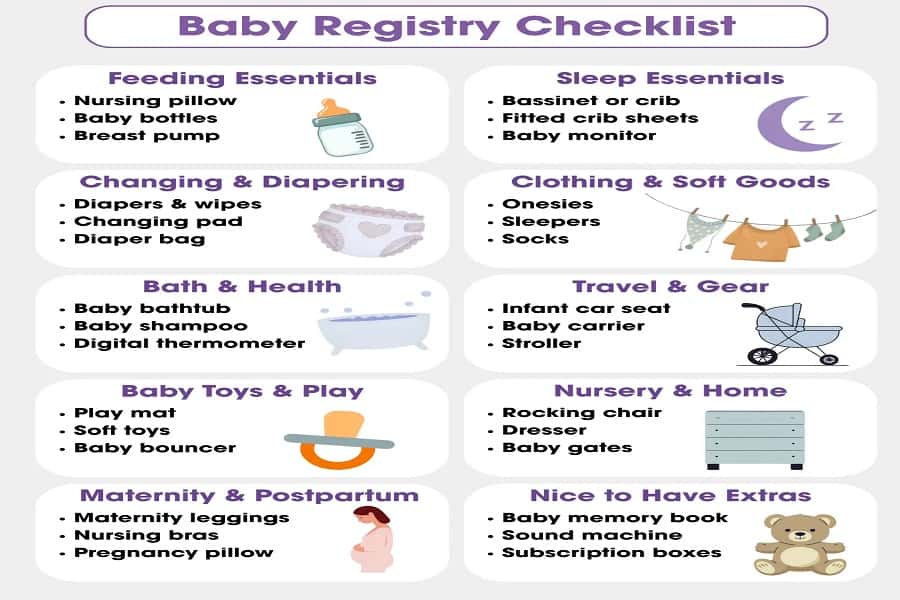
- Plan for newborn care
Introduction of guidelines for newborn care
Newborn care is crucial for ensuring the health, growth, and development of infants during their first few weeks of life. Proper care involves hygiene, feeding, sleep safety, and monitoring for any signs of illness. Following evidence-based guidelines helps parents and caregivers provide the best possible care for newborns, and you should follow the guidelines for newborn care.
1. Immediate Post-Birth Care should follow the rules of newborn care
Delayed Cord Clamping
- The World Health Organization (WHO) recommends delaying cord clamping for 1-3 minutes after birth to improve iron stores and reduce anemia risk.
Skin-to-Skin Contact (Kangaroo Care)
- Placing the newborn on the mother’s chest immediately after birth helps regulate body temperature, promotes bonding, and encourages breastfeeding.
Initial Feeding (Colostrum Importance)
- The first milk (colostrum) is rich in antibodies and nutrients. Breastfeeding should be initiated within the first hour of birth.
2. Hygiene and Bathing
Umbilical Cord Care
- Keep the cord stump clean and dry.
- Avoid covering it with tight clothing or diapers.
- Clean with water if needed; avoid alcohol unless recommended by a doctor.
- Watch for signs of infection (redness, swelling, foul odor).
Bathing the Newborn
- Sponge baths are recommended until the umbilical cord falls off (usually within 1-2 weeks).
- Use lukewarm water and mild, fragrance-free baby soap.
- Bathe 2-3 times per week to prevent skin dryness.

- Change diaper frequently
Diaper Care
- Change diapers frequently (every 2-3 hours) to prevent rashes.
- Clean the diaper area with warm water or fragrance-free wipes.
- Apply a thin layer of diaper cream if irritation occurs.
3. To Feeding, should follow the guidelines for newborn care

- Breastfeeding
Breastfeeding Best Practices
- Feed on demand (8-12 times per day).
- Ensure a proper latch to prevent nipple pain and ensure effective feeding.
- Look for signs of adequate feeding (6-8 wet diapers per day, steady weight gain).

- Feeding formula, if needed
Formula Feeding (If Needed)
- Use an iron-fortified formula if breastfeeding is not possible.
- Sterilize bottles and prepare formula as per instructions.
- Feed every 3-4 hours (about 2-3 ounces per feeding).
Burping After Feeding
- Burp the baby halfway through and after each feeding to prevent gas.
- Hold the baby upright and gently pat their back.
4. Sleep Safety

- Safe Sleep
Safe Sleep Position
- Always place the baby on their back to reduce Sudden Infant Death Syndrome (SIDS).
- Avoid side or stomach sleeping.
Sleep Environment
- Use a firm mattress with a fitted sheet (no soft bedding, pillows, or toys).
- Keep the room at a comfortable temperature (68-72°F).
- Avoid co-sleeping in adult beds; instead, use a bassinet or crib in the same room.
Sleep Duration
- Newborns sleep 16-18 hours per day in short stretches (2-4 hours).
- Wake the baby for feeding if they sleep longer than 4-5 hours.

- Vaccination and a doctor’s advice
5. For Health Monitoring and Vaccinations, follow the rules of newborn care
Recognizing Signs of Illness
- Seek medical help if the baby has:
- Fever (100.4°F or higher)
- Difficulty breathing
- Persistent vomiting or diarrhea
- Jaundice (yellow skin/eyes)
- Lethargy or refusal to feed
Vaccination Schedule
- Follow the recommended immunization schedule.
- Keep track of vaccination records and pediatric visits.
Regular Pediatric Check-ups
- Schedule visits at:
- 1 week
- 1 month
- 2 months
- 4 months
- 6 months
6. Bonding and Developmental Support
Skin-to-Skin Contact
- Promotes emotional bonding and regulates the baby’s heartbeat and temperature.
Talking and Singing to the Baby
- Helps with brain development and language skills.
Tummy Time (When Awake)
- Start with 3-5 minutes per day to strengthen neck and shoulder muscles.
7. Common Concerns and When to Seek Help
Jaundice
- Mild jaundice is common but should be monitored.
- Seek help if yellowing spreads or worsens.
Colic and Excessive Crying
- Rule out hunger, diaper changes, or discomfort.
- Consult a doctor if crying persists for hours.
Reflux and Spitting Up
- Small spit-ups are normal.
- Seek help if the baby shows distress or poor weight gain.
Conclusion
Proper newborn care involves attention to hygiene, feeding, sleep safety, and health monitoring. Following these guidelines ensures the baby’s well-being and supports healthy growth. Parents should consult healthcare providers for any concerns and attend regular check-ups.
By adhering to these best practices, caregivers can provide a safe and nurturing environment for their newborns.
https://shorturl.fm/eh4Bq
https://shorturl.fm/I7gIb
https://shorturl.fm/Jv2O7