
Preparation to Get Pregnant: Complete Pre‑Pregnancy Planning Guide
Introduction: Getting ready for pregnancy
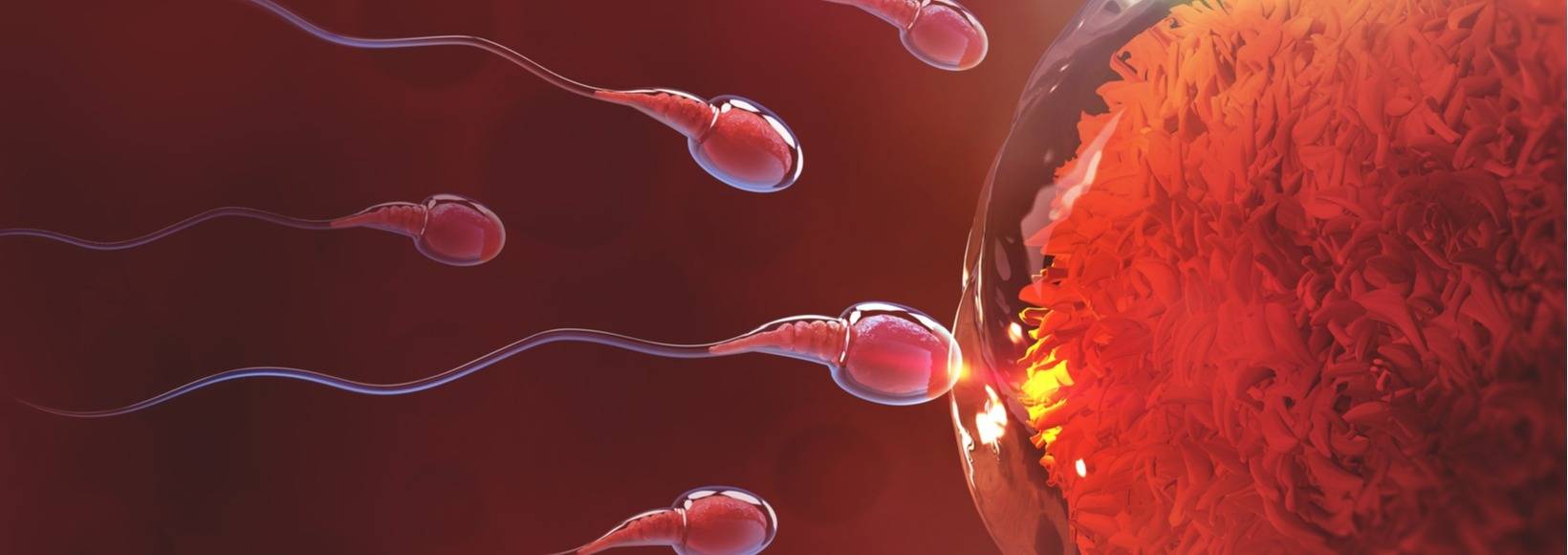
- Preparation to get pregnant
Preparation to get pregnant: Preparing for pregnancy is one of the most important health decisions a couple can make. Many people believe pregnancy preparation begins only after conception. In reality, the healthiest pregnancies begin months before fertilization.
Proper preparation improves fertility, supports hormone balance, reduces complications, and increases the chances of delivering a healthy baby. It also helps parents become mentally confident and emotionally ready for the responsibilities ahead.
Pre‑pregnancy planning involves improving nutrition, correcting vitamin deficiencies, managing stress, tracking ovulation cycles, reviewing medications, strengthening reproductive health, and building supportive lifestyle habits.
This complete guide explains everything couples should do before trying to conceive.
Why Preparation to get pregnant Is Important:
Preconception preparation increases the likelihood of natural conception while reducing pregnancy risks such as miscarriage, anemia, gestational diabetes, premature birth, and high blood pressure.
When the body is nutritionally prepared and hormonally balanced, egg quality improves, and implantation becomes more successful. Proper preparation also supports early fetal brain development during the first few weeks of pregnancy — often before many women even realize they are pregnant.
Equally important is emotional readiness. Parenting requires stability, patience, teamwork, and planning. Couples who prepare together experience healthier pregnancies and stronger relationships during the journey.
When Should You Start Preparing to get pregnant?
Doctors recommend starting preparation to get pregnant at least 3 to 6 months before trying to conceive.
This time allows couples to:
- improve nutrition • correct vitamin deficiencies • stop harmful habits • manage medical conditions • adjust medications • stabilize menstrual cycles • improve sperm health
Even small lifestyle improvements during this period can significantly increase the likelihood of fertility success.
Pre‑Pregnancy Medical Checkup Checklist:

- Preparation to get pregnant
A preconception medical visit helps identify hidden health concerns that may affect pregnancy outcomes.
During this visit, doctors usually evaluate:
- blood pressure • thyroid function • blood sugar level • hemoglobin level • menstrual history • vaccination status • reproductive health conditions
Women with irregular cycles, PCOS, thyroid disorders, diabetes, or anemia should stabilize these conditions before attempting conception.
Men should also undergo fertility health screening when necessary because sperm quality contributes nearly 50% to successful conception outcomes.
Preparation to get pregnant. Ideal Age for Pregnancy Planning:
Although pregnancy is possible across a wide reproductive age range, fertility is generally strongest between ages 20 and 35.
After age 35, fertility gradually declines, and pregnancy complications may increase. However, healthy pregnancies are still very possible with proper planning and medical supervision.
Early preparation becomes even more important for couples planning pregnancy later in life.
Achieving a Healthy Body Weight Before Pregnancy
Body weight plays a major role in fertility success.
Trying to conceive (TTC). Being underweight may:
- delay ovulation • disrupt hormone production • reduce implantation success
Being overweight may increase risks of:
- gestational diabetes • high blood pressure • cesarean delivery • hormonal imbalance
Maintaining a balanced weight through nutrition and moderate exercise improves reproductive hormone stability.
Best Preparation to get pregnant: Diet Plan for Women:

- Preparation to get pregnant
Nutrition directly affects egg quality and fetal development.
A fertility‑supportive diet should include:
Leafy vegetables – rich in folate
Whole grains – stabilize blood sugar
Eggs and lean proteins – support tissue growth
Milk and dairy products – strengthen bones
Nuts and seeds – improve hormone balance
Fresh fruits – support immunity
Healthy fats – improve reproductive health
Avoid processed food, excess sugar, packaged snacks, and artificial additives before pregnancy.
Hydration is equally important. Drink at least 8–10 glasses of water daily.
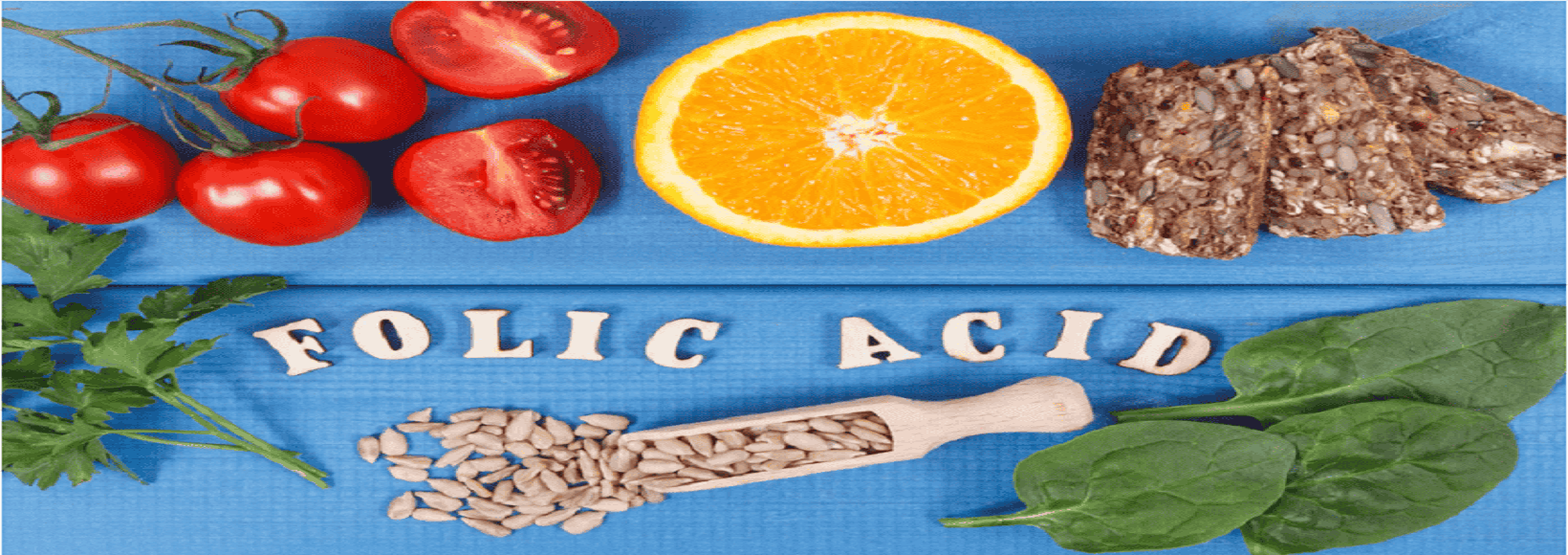
Importance of Folic Acid Before Pregnancy
Folic acid protects early fetal brain and spinal cord development.
Doctors recommend starting 400 mcg of folic acid daily at least 3 months before conception.
Natural folate sources include: Fertility planning
- spinach • broccoli • lentils • oranges • avocados
However, supplements are still necessary because dietary intake alone is often insufficient.
Essential Vitamins Needed Before Pregnancy
Important nutrients required before conception include:
Iron – prevents anemia
Calcium – strengthens bones
Vitamin D – supports immunity
Omega‑3 fatty acids – improve fetal brain development
Vitamin B12 – supports nerve health
Balanced supplementation should always be taken under medical guidance.
Managing Chronic Diseases Before Conception
Chronic illnesses should be controlled before pregnancy.
Conditions requiring monitoring include:
- diabetes • thyroid disorders • asthma • hypertension • anemia • PCOS
Proper treatment reduces pregnancy complications and improves fetal safety.
Never stop medications without consulting a doctor.
Understanding Ovulation Timing for Faster Conception
Ovulation occurs approximately 14 days before the next menstrual cycle.
The fertile window lasts about 5 days before ovulation, plus ovulation day.
Signs of ovulation include:
- increased cervical mucus • mild abdominal discomfort • slight body temperature rise
Tracking ovulation improves pregnancy chances naturally.
Lifestyle Changes Required Before Pregnancy
Healthy lifestyle habits improve reproductive success.
Important changes include:
- quitting smoking • avoiding alcohol • reducing caffeine intake • sleeping 7–8 hours daily • exercising regularly
These habits improve hormone balance and egg quality.
Safe Exercise Plan Before Pregnancy
Moderate exercise supports fertility health.
Preparation to get pregnant. Recommended activities:

- Yoga
- walking • yoga • swimming • stretching • light strength training
Avoid excessive high‑intensity workouts because they may affect ovulation cycles.
Consistency matters more than intensity.
Mental Preparation Before Pregnancy
Mental readiness improves pregnancy outcomes.
Stress may affect:
- ovulation • hormone balance • sleep quality • relationship communication
Stress‑management strategies include:
- meditation • breathing exercises • journaling • nature walks • spiritual practices
Emotional stability supports healthier pregnancies.
Importance of Sleep for Fertility Health
Sleep regulates reproductive hormones.
Poor sleep habits may reduce fertility success.
Couples should maintain:

- Consulting with doctor
- regular sleep schedule • reduced screen time at night • calm bedtime environment
Healthy sleep improves ovulation regularity.
Vaccinations Required Before Pregnancy
Some infections can harm pregnancy if protection is not available beforehand.
Doctors may recommend vaccines for:
- rubella • hepatitis B • influenza • tetanus
Vaccination before conception protects both mother and baby.
Dental Care Before Pregnancy Is Important
Oral infections may increase pregnancy risks.
Women planning a pregnancy should:
- treat cavities • manage gum infections • schedule dental cleaning
Healthy gums support safer pregnancy outcomes.
Partner’s Role in Pregnancy Preparation
Male fertility health is equally important.
Men should:
- maintain healthy weight • stop smoking • avoid alcohol • manage stress • exercise regularly
Improved sperm quality increases conception success.
Pregnancy preparation should always be a shared responsibility.
Reviewing Medications Before Trying to Conceive
Some medications are unsafe during pregnancy.
Women should consult doctors before continuing:
- pain medicines • acne treatments • hormonal drugs • herbal supplements
Safe alternatives may be recommended.
Creating a Healthy Home Environment for Pregnancy
Environmental toxins may affect fertility health.
Couples should:
- reduce pesticide exposure • improve ventilation • avoid chemical cleaning products • maintain indoor cleanliness
A healthy home supports safe conception.
Financial Planning Before Pregnancy
Financial preparation reduces stress during pregnancy.
Important planning areas include:
- medical checkups • hospital delivery expenses • nutrition costs • maternity leave planning • baby care supplies
Stable planning improves confidence during pregnancy.
Emotional Bonding Between Partners Before Pregnancy
Strong communication improves pregnancy experiences.
Couples should discuss:
- parenting expectations • responsibilities • lifestyle changes • long‑term goals
Emotional teamwork strengthens family foundations.
When to See a Fertility Specialist
Couples should consult a doctor if pregnancy does not occur:
- after 12 months (under age 35) • after 6 months (age above 35)
Early consultation helps identify hidden fertility issues.
Pre‑Pregnancy Checklist Summary
Before trying to conceive:
✔ schedule medical checkup ✔ start folic acid supplements ✔ improve diet quality ✔ exercise regularly ✔ stop smoking and alcohol ✔ track ovulation cycles ✔ manage stress levels ✔ review medications ✔ update vaccinations ✔ involve partner in planning
Following this checklist improves the chances of a healthy pregnancy success.
Frequently Asked Questions (FAQ): Conception planning
How early should I start preparing for pregnancy?
Preparation should begin at least 3 months before trying to conceive for the best results.
Getting ready for pregnancy. Which vitamin is most important before pregnancy?
- Very Important
Folic acid is the most important supplement before pregnancy because it protects early fetal brain development.
Trying to conceive: Can stress delay pregnancy?
Yes. High stress levels may affect hormone balance and ovulation timing.
Should men also prepare before pregnancy?
Yes. Male fertility health strongly affects conception success.
Is exercise safe while trying to conceive?
Moderate exercise improves fertility and supports pregnancy readiness.
Final Thoughts: Preconception planning/care
Preparing for pregnancy is one of the most valuable investments couples can make for their future family.
Improving nutrition, managing medical conditions, strengthening emotional readiness, and building healthy habits significantly increase the chances of successful conception and safe pregnancy outcomes.
Preparation is not about perfection. It is about creating the healthiest possible environment for welcoming a new life with confidence, stability, and care. With the right planning and support, couples can begin their parenthood journey with clarity, strength, and optimism.
https://shorturl.fm/FTDCP
https://shorturl.fm/2NS6n
https://shorturl.fm/YHxtd
https://shorturl.fm/ppPQt