
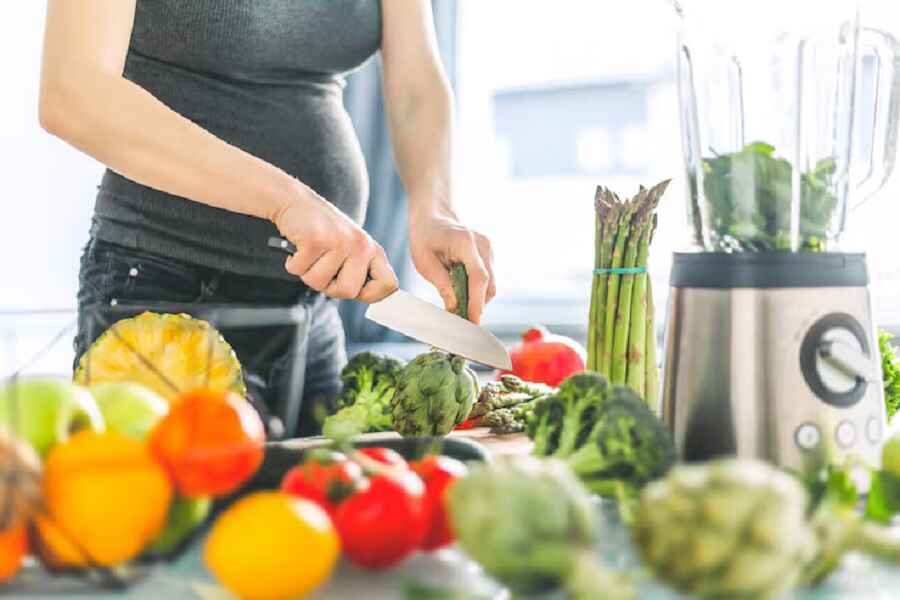
Dieting in Pregnancy
Pregnancy is a crucial period that demands proper nutrition for both the mother and the developing baby. While some women may consider dieting to manage weight, extreme calorie restriction or fad diets can be harmful. Instead, a balanced, nutrient-rich diet is essential for a healthy pregnancy. So, when dieting in pregnancy, every lady should be careful.
Why Extreme Dieting in Pregnancy is Harmful
Severe calorie restriction or cutting out essential food groups can lead to:
- Nutrient deficiencies (iron, folic acid, calcium)
- Low birth weight
- Developmental issues in the baby
- Increased risk of pregnancy complications
- Low hemoglobin
- Blood pressure imbalance
- Preterm Birth
- Stilbirth
Healthy Weight Management rather than dieting in Pregnancy
Rather than traditional dieting, focus on:
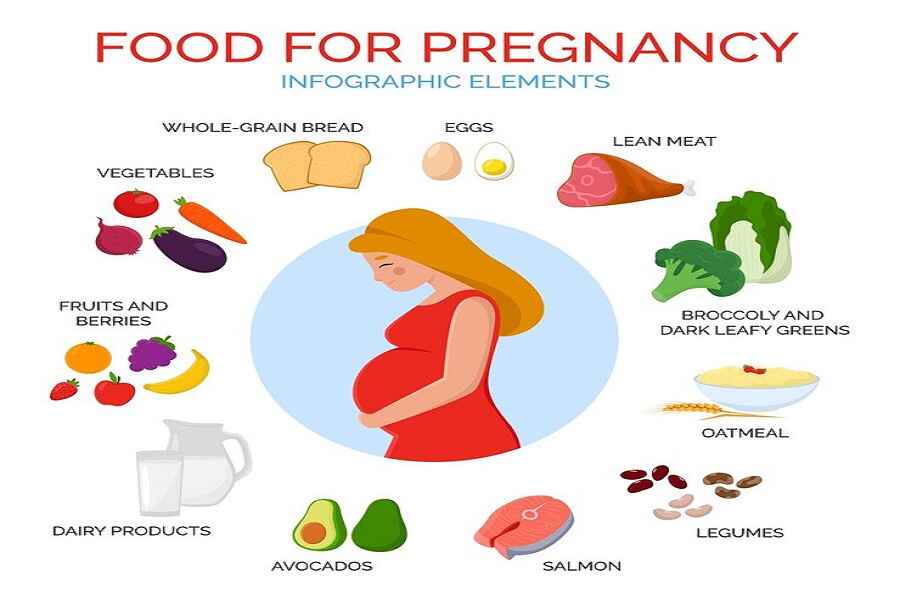
Balanced Nutrition rather than dieting in pregnancy
- Include proteins (lean meat, eggs, beans), whole grains, fruits, and vegetables.
- Consume healthy fats (avocados, nuts, olive oil).
- Stay hydrated with water and limit sugary drinks.
- Freshwater fish(Tengra, Shing, Magur, Gulsha, catfish, etc.)
- Milk (pasteurized)
- Fruits (banana, mangoes, apples, berries, etc.)
Controlled Portion Sizes
- Eat small, frequent meals to manage hunger and nausea.
- Avoid overeating by listening to hunger cues.
- Divide your plate into portions, with half dedicated to fruits and vegetables, a quarter to protein, and a quarter to grains.
Safe Weight Gain during the full pregnancy time
- Underweight women: 28–40 lbs
- Normal weight: 25–35 lbs
- Overweight: 15–25 lbs
- Obese: 11–20 lbs
Foods to Avoid
- Raw or undercooked meat, fish, and eggs
- High-mercury fish (shark, swordfish, tuna)
- Unpasteurized dairy and soft cheeses
- Excess caffeine and alcohol
When to Seek Guidance
Consult a doctor or dietitian before making dietary changes, especially if:
- You have gestational diabetes or other medical conditions.
- You’re considering weight loss during pregnancy.
- Severe belly pain that doesn’t go away
- You have severe chest pain, shoulder pain, or back pain
- Gastrointestinal disease
Conclusion
Instead of restrictive dieting, pregnant women should focus on nourishing their bodies with wholesome foods. A well-balanced diet supports fetal growth and maternal health, ensuring a safer pregnancy journey.