
2nd Trimester of Pregnancy Precautions: Navigating Weeks 13–28 with Confidence

Introduction to 2nd trimester of pregnancy precautions
Welcome to the 2nd trimester of pregnancy precautions – often called the “golden period” of pregnancy. For many women, weeks 13 through 28 bring a welcome relief from first-trimester nausea, exhaustion, and hormonal turbulence. Your energy returns, your baby bump begins to show, and you may even feel those first magical flutters of your baby moving.2nd trimester of pregnancy precautions
2nd trimester of pregnancy precautions But does this mean you can throw caution to the wind? Not quite. Understanding the right 2nd trimester pregnancy precautions is essential, even during this comparatively comfortable stage.
While the second trimester is indeed a time of renewed well-being, it’s also a period of rapid growth and development for your baby – and significant physical changes for your body. From week 13 to week 26, your baby will grow from about 7.5 cm and 30 grams to approximately 23 cm and 820 grams. Their organs continue to develop, their skeleton begins to harden, and they can even start to hear your voice and respond to light.
This guide walks you through everything you need to know about staying safe, healthy, and comfortable during your second trimester. Whether you’re a first-time mom or adding to your family, a partner wanting to support your journey, or a caregiver seeking reliable information, this comprehensive resource on second trimester pregnancy precautions will equip you with the knowledge you need.
We’ll cover essential precautions across every area of life – from diet and exercise to travel, prenatal care, and emotional well-being. Consider this your trusted companion through the middle months of your pregnancy journey.
Understanding the Second Trimester: What’s Happening to You and Your Baby
Before diving into precautions, it helps to understand what’s actually happening during this transformative stage of pregnancy.
Defining the Second Trimester
The second trimester spans weeks 13 to 27 (or 28, depending on your healthcare provider). It marks the middle phase of pregnancy, bridging the uncertain early weeks and the physically demanding final stretch. Most 2nd trimester pregnancy precautions exist because this is when your baby’s organs, bones, and senses develop at a remarkable pace.
Physical Changes in Your Body During Weeks 13–28
Several noticeable changes occur during this stage, and understanding them helps explain why certain precautions matter so much.
Uterus and Belly Growth: Your uterus expands significantly during these months, rising upward and outward. Your baby bump becomes more noticeable, and you’ll likely need to transition to maternity clothes.
Increased Blood Volume: Your blood volume increases substantially to meet the demands of your growing baby. This can cause a range of effects – from the “pregnancy glow” to nosebleeds and dizziness.
Weight Gain: Your appetite typically increases during this trimester. Experts recommend increasing your caloric intake by about 340 calories per day – roughly an extra half sandwich and an apple – not “eating for two” in the literal sense.
Ligament Stretching: Hormonal changes cause your ligaments to soften and stretch in preparation for childbirth. This can lead to back pain and pelvic discomfort, which is why posture and movement precautions are so important during this window.
Your Baby’s Development Milestones Week by Week
Knowing your baby’s development helps you understand exactly why each precaution during weeks 13–28 matters.
Week 13–16: Baby grows rapidly, and their intestines move into the abdomen. By week 16, the skeleton begins to harden from cartilage to bone.
Week 17–20: You may start feeling those first movements (quickening) – often described as flutters or gentle taps. Your baby can now hear sounds, including your heartbeat and voice, which is why many parents begin talking or playing music for their baby around this time.
Week 21–26: Baby’s organs continue maturing. The liver, pancreas, and kidneys start functioning. Babies may suck their thumb during this period. By week 26, your baby can sense light changes and practice breathing movements (though lungs aren’t fully developed yet).
Week 27–28: As you approach the end of the second trimester, your baby’s brain tissue develops rapidly, eyelids that were fused begin to open, and your baby settles into more predictable sleep-wake cycles that you may start to notice.
Essential 2nd Trimester Pregnancy Precautions for Prenatal Care

Consistent prenatal care is the foundation of every safe second trimester. It allows your provider to catch potential complications early and confirm that your baby is growing on track.
Prenatal Appointments and What to Expect
Regular antenatal visits are non-negotiable during the second trimester. Typically, these occur about every four weeks, though your provider may schedule them more frequently depending on your individual risk factors.
At each visit, your healthcare provider will typically check:
- Your blood pressure
- Your weight
- Your urine (to screen for infections and protein)
- Swelling in your hands and feet
- Your baby’s growth by measuring fundal height (distance from pubic bone to top of uterus)
- Your baby’s heartbeat using a Doppler instrument
These routine checks may feel repetitive, but they’re one of the most effective precautions available – small changes in blood pressure or urine protein can be an early warning sign of complications like pre-eclampsia, long before you’d notice symptoms yourself. Never skip an appointment, even if you feel completely well.
Key Screening Tests During the Second Trimester
Several important tests take place during this window, and understanding their purpose can ease any anxiety about the process.
Anatomy Scan (18–22 weeks): A detailed ultrasound to check your baby’s organs, bones, and overall development. This is also when many parents learn their baby’s sex.
Glucose Screening (24–28 weeks): An oral glucose tolerance test to check for gestational diabetes, one of the most common pregnancy complications.
Maternal Serum Screen (MSS) / Triple Test (14–18 weeks): Screens for conditions such as Down Syndrome or neural tube defects.
Non-Invasive Prenatal Testing (NIPT): A blood test that can be done in the first or second trimester to screen for chromosomal conditions.
Discuss the purpose, accuracy, and next steps of each test with your provider so you know what to expect and how results will be communicated.
Vaccinations Recommended in the Second Trimester
If you haven’t already, get a flu shot (injection, not nasal spray) during this trimester. The CDC recommends all pregnant people receive the flu vaccine, since pregnancy naturally suppresses parts of your immune system, making you more vulnerable to complications from influenza.
Around 16 weeks, you’ll also typically be offered the whooping cough (pertussis, or Tdap) vaccine. This precaution doesn’t just protect you – the antibodies you build pass to your baby and provide protection during the vulnerable first few months of life, before your baby can be vaccinated directly.
2nd Trimester Pregnancy Precautions for Diet and Nutrition

Your appetite has likely returned, and your baby’s nutritional needs are increasing rapidly. The key nutrition precaution for this trimester is simple: focus on quality, not quantity.
Nutrient-Rich Foods to Prioritize
Building your plate around whole, nutrient-dense foods supports both your energy levels and your baby’s development.
Vegetables: Dark, leafy greens, carrots, tomatoes, sweet potatoes, and red bell peppers are rich in vitamin A and potassium.
Fruits: Melons, mangoes, apricots, oranges, bananas, and apples provide fiber, hydration, and vitamin C.
Dairy: Low-fat yogurt, reduced-fat milk, and cheese are crucial sources of calcium for your baby’s developing bones.
Whole Grains: Provide both iron and folic acid along with healthy fiber that supports digestion, which can slow down during pregnancy.
Proteins: Beans, peas, seeds, nuts, low-mercury fish (trout, salmon), lean beef, lamb, pork, and tofu all supply the building blocks your baby needs for rapid tissue growth.
Your daily diet should ideally include a source of meat or fish (boiled or stewed), dairy products (especially cottage cheese), eggs, vegetables, fruits, and leafy greens. Continue taking your prenatal vitamins throughout this trimester – they provide calcium, iron, zinc, and folate that food alone may not fully cover.
Smart Snacking Tips for the Second Trimester

Between-meal snacks can help manage hunger and stabilize blood sugar, which is especially important as your body works harder to support your baby.
- Smoothies with yogurt, fruit, and leafy greens
- Raw nuts (almonds, pecans, walnuts, cashews)
- Vegetables dipped in hummus
- Fresh fruit paired with a source of protein
- Fermented cabbage (not pickled), an excellent natural source of vitamin C
Choosing snacks that combine fiber, protein, and healthy fat helps prevent the energy crashes that can otherwise leave you reaching for less nutritious options.
Foods and Drinks to Avoid During the Second Trimester
Certain foods pose genuine risks to your developing baby and should be avoided completely as part of your second trimester precautions.
Foods to avoid entirely:
- Any form of unpasteurized dairy (soft cheeses like brie, feta, or blue cheese, unless labeled pasteurized)
- Processed meats (hot dogs, deli lunch meat) unless thoroughly heated until steaming
- Raw or undercooked seafood, eggs, or meat
- Cold pâté or meat spreads
- Cold smoked seafood
- Unwashed fruits or vegetables
These restrictions primarily guard against listeria, salmonella, and toxoplasmosis – infections that are usually mild for adults but can be dangerous for a developing baby.
Additionally, during the second trimester, it’s wise to limit salty, smoked, fried, and spicy foods, along with canned goods and chocolate, to help reduce the risk of excessive fluid retention and other pregnancy complications. If you’re being monitored for gestational diabetes risk, pay particular attention to limiting grapes, fresh whole milk in large amounts, and rich flour-based pastries, as these can spike blood sugar more than other foods.
2nd Trimester Pregnancy Precautions for Safe Exercise
Exercise during the second trimester offers real, measurable benefits: decreased stress, a more balanced mood, reduced fatigue, improved sleep, and a lower risk of gestational diabetes and excess weight gain.
Best Exercises During Weeks 13–28
Most pregnant women with uncomplicated pregnancies can safely continue or begin moderate activity during this window. Safe and healthy exercise choices generally include:
- Walking
- Jogging or running (if you practiced this regularly before pregnancy)
- Prenatal yoga
- Swimming
- Light weightlifting
- Strength training with proper form
Swimming in particular is often recommended because the water supports your growing bump and joints while still providing an effective cardiovascular workout.
Exercise Safety Guidelines for the 2nd trimester of pregnancy precautions
Following a few key principles will help you exercise confidently and safely throughout this trimester.
You should generally be able to hold a conversation while working out – that’s a reliable indicator of appropriate intensity, often called the “talk test.” Focus on exhaling on the effort (the hardest part of the movement) to avoid unnecessary pressure buildup in your core and pelvic floor.
Emphasize lower-body strength through movements like squats and lunges – stronger legs help you better manage the added pregnancy weight as your center of gravity shifts. Strengthen your core in all directions using “anti-core” exercises that challenge your body to stay in neutral alignment, rather than exercises that flex or twist your spine under load.
Avoid loaded core exercises outside of neutral alignment – such as loaded sit-ups, backbends, dumbbell side bends, or loaded twisting movements – since these can place excess strain on your abdominal wall. Modify high-impact activities as needed, especially those involving quick changes in body position or a risk of falling.
Warning Signs to Stop Exercising Immediately
If you experience pain, bleeding, dizziness, shortness of breath, or accidental urine leakage during exercise, stop immediately and contact your healthcare provider. These symptoms don’t always signal a serious problem, but they warrant prompt evaluation rather than being pushed through.
Hydration and Sleep Precautions in the Second Trimester
Two of the simplest yet most overlooked second trimester pregnancy precautions involve two basic daily habits: drinking enough water and sleeping in the right position.
Staying Properly Hydrated
Proper hydration is critical during pregnancy. Doctors generally recommend drinking 8–12 cups of water daily during the second trimester, when your blood volume and metabolic demands are climbing steadily.
Staying well-hydrated helps prevent several common second-trimester complaints, including headaches and dizziness, constipation, kidney stones, and even preterm labor in some cases, since dehydration can trigger uterine contractions.
Other hydrating choices include sparkling water, herbal tea, juices, and soups, along with many water-rich fruits like watermelon and oranges. Limit drinks with caffeine or large amounts of added sugar, as both can work against your hydration goals.
Sleep Position and Rest Precautions
Though you may not feel as exhausted as you did in the first trimester, quality sleep remains vital for both your physical recovery and your baby’s development. Aim for 8–9 hours of sleep per night, and allow yourself afternoon naps or rest periods when your body asks for them.
One of the most important sleep-related precautions of the second trimester: from this point onward, it’s recommended that you sleep on your side (preferably your left side) rather than on your back. Left-side sleeping improves blood flow to your baby and helps prevent the vessel compression that back-sleeping can cause later in pregnancy. Many women find a pregnancy pillow helpful for staying comfortably positioned through the night.
Critical Don’ts: Second Trimester Pregnancy Precautions to Avoid Harm
Some precautions are less about optimizing your health and more about avoiding substances or situations that carry real, documented risk to your baby.
Alcohol Consumption Risks
There is no known safe amount of alcohol during pregnancy. During the second trimester, your baby’s brain and body are developing rapidly, and alcohol can cause serious, lifelong damage. Fetal Alcohol Syndrome can lead to abnormal facial features, small head size, low body weight, poor coordination, learning disabilities, hyperactive behavior, vision or hearing problems, and heart, kidney, or other organ problems. Avoiding alcohol entirely remains the only fully safe choice.
Smoking and Drug Use During Pregnancy
Smoking during pregnancy increases the risk of miscarriage, birth defects, premature birth, low birth weight, infant death, and learning disabilities. It’s also a major risk factor for Sudden Infant Death Syndrome (SIDS).
All opioids, street drugs, and even some prescription medications can cause serious harm to your developing baby. Before using any medication – even something available over the counter – confirm with your doctor or pharmacist that it’s approved for use during pregnancy.
Safe Caffeine Limits
While some experts suggest cutting caffeine out entirely, many agree that small amounts are safe as part of reasonable second trimester precautions. The consensus is that keeping daily intake around 150 mg (roughly one cup of brewed coffee or three cups of black or green tea) is considered safe for most pregnancies.
Remember that caffeine is a diuretic – it increases urination and can contribute to dehydration. It can also raise your heart rate and blood pressure, so moderation is genuinely important, not just a suggestion.
Risky Behaviors and Environments to Avoid:
Several everyday habits and activities carry hidden risks that many women aren’t aware of during the second trimester.
Don’t diet or try to lose weight during pregnancy – restricting calories can harm your baby’s growth and development. You don’t use hot tubs or saunas, since elevated core body temperature can cause birth defects or contribute to miscarriage. No need to clean your cat’s litter box, as cat feces can carry a parasite that causes toxoplasmosis (holding and petting your cat remains perfectly safe – just delegate litter box duty to someone else). Don’t get tattoos or piercings, since the associated infection risk (including Hepatitis B or HIV) could affect your baby’s health.
Don’t play rough contact sports or engage in activities with a high risk of falls or overheating, including hot yoga, martial arts, horseback riding, hockey, boxing, soccer, basketball, off-road cycling, skiing, surfing, gymnastics, and scuba diving.
Standing, Posture, and Clothing Precautions
Standing for extended periods can worsen swelling and back pain, both common second-trimester complaints. When you must stand, try resting one foot on a small stool to ease strain on your lower back.
Avoid tight clothing, especially around your waist and legs, which can restrict circulation. Choose comfortable, supportive shoes instead – avoid high heels, which can worsen back pain and throw off your center of balance, and avoid completely flat, unsupportive shoes as well.
Managing Common Second Trimester Discomforts
Even a “golden” trimester comes with its share of challenges. Here’s how to safely manage the most common symptoms women experience between weeks 13 and 28.
Back Pain and Pelvic Girdle Pain
As your baby grows and your center of gravity shifts, back pain becomes increasingly common. Practice good posture – sit tall and support your back with a small cushion. Wear low-heeled shoes with good arch support, and avoid standing for long periods without resting one foot on a stool.
Avoid lifting heavy objects, and if you must lift something, bend at your knees rather than your waist. Work at a surface high enough to prevent stooping, and consider prenatal yoga, physiotherapy, or a support belt if your provider recommends one.
Heartburn and Indigestion
Hormonal relaxation of the esophageal sphincter allows stomach acid to move upward more easily during pregnancy. To find relief, eat smaller, more frequent meals rather than three large ones. Avoid spicy, greasy, and acidic foods that tend to trigger symptoms, stay upright for at least 30 minutes after eating, and sleep with your head slightly elevated using an extra pillow.
Leg Cramps
These often strike at night and can be quite painful, disrupting sleep. Stay well-hydrated throughout the day, and stretch your calf muscles gently before bed. Wear low-heeled, supportive shoes during the day. If a cramp strikes, stretch the calf muscle on the affected side by flexing your foot upward. A hot shower, warm bath, or ice massage can help afterward, and ensuring adequate magnesium and calcium intake may reduce how often cramps occur.
Swollen Legs, Ankles, and Feet
Swelling is a normal response to extra pressure from your growing uterus and mild fluid retention. Take daily walks to keep circulation moving, and rest with your feet elevated whenever possible. Wear comfortable, supportive shoes and socks, sleep on your left side rather than your back, and drink plenty of water – over 2 liters daily. Avoid crossing your legs, standing for long periods, and wearing tight clothing, and consider support stockings if swelling is persistent.
Urgent warning: Sudden or rapidly worsening swelling, especially if one leg is swollen and painful, could be a sign of pre-eclampsia or deep vein thrombosis (DVT). Seek immediate medical attention if this occurs.
Nosebleeds and Nasal Congestion
Increased blood volume and hormone changes can cause nasal swelling and occasional bleeding. Use saline drops or a saline rinse to keep nasal passages moist, run a humidifier in your bedroom, drink plenty of fluids throughout the day, and apply a thin layer of petroleum jelly around the edges of your nostrils to prevent dryness and cracking.
Bleeding Gums
Hormone changes can lead to increased plaque buildup and gum sensitivity, causing bleeding during brushing. Brush your teeth twice daily and floss once daily. Rinse with warm salt water and switch to a softer toothbrush if gums feel tender. Visit a dentist at least once during pregnancy and let them know you’re pregnant. Importantly, keep brushing regularly – skipping dental care due to sensitive gums can actually worsen the problem over time.
Carpal Tunnel Syndrome
Numbness, tingling, or weakness in the hand is surprisingly common in the second trimester due to fluid retention affecting the wrist. Rest, ice, and elevate your hand and wrist when symptoms flare. Consider wrist splints, especially for wear at night, and talk to your healthcare provider if symptoms worsen or begin interfering with daily tasks.
Dizziness and Lightheadedness
Changes in blood flow and blood pressure regulation may cause occasional dizziness during this trimester. Drink plenty of fluids throughout the day, avoid standing for long periods, and move slowly when you stand up or change positions to give your circulation time to adjust. If you feel dizzy, lie down on your side immediately rather than trying to push through it.
Decreased or Absent Fetal Movement: A Critical Warning
By about week 19 (or sooner if this isn’t your first pregnancy), you should start feeling your baby move. These movements become increasingly noticeable and frequent as the weeks progress.
If you don’t feel your baby moving, are worried about their movement pattern, or notice noticeably less movement than usual, contact your GP or midwife immediately rather than waiting to see if it resolves. Decreased fetal movement can be an early sign of fetal distress, and prompt evaluation is always the safer choice. Trust your instincts here above anything else in this guide.
Travel Precautions During the Second Trimester
Generally, yes – travel is safe during the second trimester, and many women find that weeks 14–28 are the most comfortable window to travel during pregnancy. Morning sickness has usually passed, energy levels are higher, and the risk of miscarriage or preterm labor is at its lowest point.
Before You Travel
Always check with your doctor before booking a trip, particularly if you have any pregnancy complications. For international travel, discuss disease risks specific to your destination and carry a copy of your medical records. Check your airline’s specific policy, since many restrict flying during the third trimester and may require a doctor’s note as you get closer to your due date. Carry written documentation of your due date wherever you go.
Car Travel Precautions
Wear your seat belt correctly: place the lap belt low, across your hips and below your belly, and run the shoulder belt between your breasts and away from your neck – never behind your back or under your arm. Move your seat back as far as is practical, aiming for at least 10 inches (25 cm) between your breastbone and the steering wheel or dashboard. Always leave the airbag switched on, since it works together with your seat belt for maximum protection. On long trips, take short walks at least every 2 hours and move your legs regularly to reduce the risk of blood clots, and consider wearing compression stockings for extended journeys.
Air Travel Precautions
Choose an aisle seat for easier movement throughout the flight. Wear your seat belt low across your hips while seated, and keep it fastened as much as possible in case of unexpected turbulence. Take a few short walks up and down the cabin during the flight, and drink plenty of water to counteract the drying effects of cabin air, which can worsen dehydration-related symptoms like dizziness.
When to Avoid Flying
Avoid flying if you’ve reached 36 weeks of pregnancy, if you have placenta-related problems, pre-eclampsia, or risk factors for preterm labor, or if your doctor has specifically advised against flying based on your medical history. If your work or lifestyle involves frequent air travel, discuss the cumulative radiation exposure with your healthcare provider.
Monitoring Your Health: Weight, Blood Pressure, and Anemia

Beyond appointments with your provider, a few simple home-monitoring habits can serve as useful early-warning precautions during the second trimester.
Monitor your fluid retention periodically. A simple guideline: aim to excrete roughly 200–300 ml less fluid than you take in each day. If your urine output is significantly lower than that, it may signal hidden edema and an early sign of late-pregnancy toxemia (pre-eclampsia), which is worth flagging to your provider.
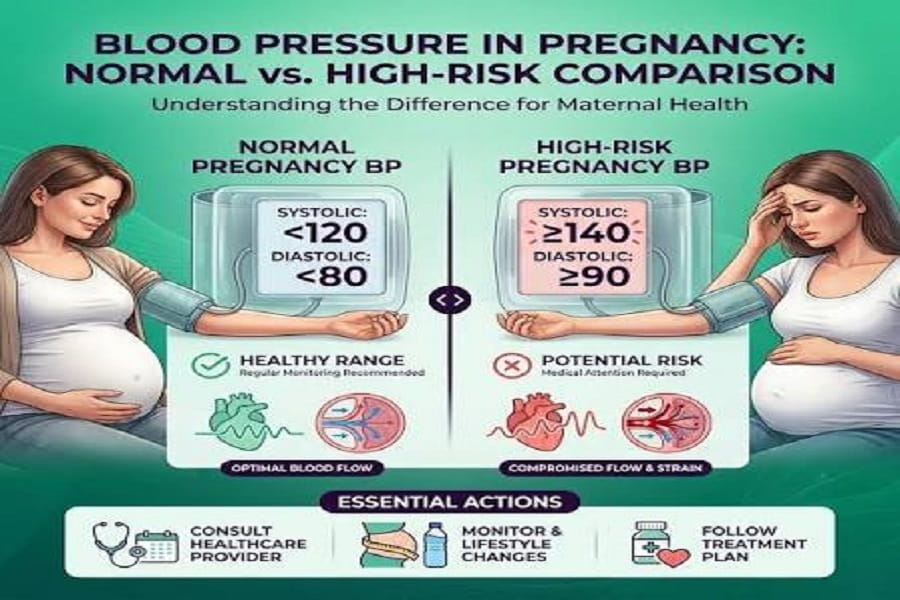
If possible, check your blood pressure at home regularly between appointments. Both unusually high and excessively low blood pressure should raise concern – at low pressure, blood flows more sluggishly through the placenta, which can reduce nutrient delivery to your baby.
Don’t neglect your scheduled blood tests, since it’s important not to miss the development of anemia, which is common in the second trimester as blood volume expands faster than red blood cell production. If detected, your doctor will typically prescribe iron-containing supplements and multivitamins. Iron-rich foods like beef liver, tomato juice, buckwheat porridge, and apples can also support healthy iron levels alongside supplementation.
Emotional and Mental Well-Being Precautions
Pregnancy is not just physical – your emotional and mental health matter just as much as any physical precaution in this guide.
Common Emotional Changes in the Second Trimester
The second trimester often brings a distinct mix of feelings. Many women experience increased bonding as they begin feeling their baby move, which often deepens attachment and makes the pregnancy feel more real. Excitement about your growing baby frequently mixes with anxiety about labor, delivery, and parenthood. Body image shifts are also common, as your changing shape can bring up complicated feelings about your appearance.
“Pregnancy brain” – increased forgetfulness or disorganization – is genuinely common and not a sign of anything wrong. Hormonal shifts can also cause unusually vivid, memorable dreams, and many women notice their libido changes, sometimes increasing due to hormones and greater pelvic blood flow.
How to Protect Your Mental Health
A few simple habits can make a meaningful difference in how you feel emotionally during this stage.
Learn as much as you can about pregnancy, childbirth, and parenting, since understanding what’s ahead can ease anxiety about the unknown. Share your thoughts openly with your partner, family, and friends – talking through worries helps you process them rather than carry them alone. Seek professional help if needed: depression and anxiety are common during pregnancy, and if you feel persistently down, anxious, or overwhelmed, ask your healthcare provider to refer you to a counselor who specializes in pregnancy-related mental health.
Practice mindfulness or meditation to help manage day-to-day stress, rest when your body asks for it, and spend time bonding with your baby by feeling their movements and talking to them.
If you’re experiencing persistent sadness, loss of interest, overwhelming anxiety, or thoughts of harming yourself or your baby, seek help immediately. This is a sensitive and serious topic, and support is available – you are not alone, and effective treatments exist.
Warning Signs You Should Never Ignore During the 2nd trimester of pregnancy precautions

Knowing when to call your provider immediately is one of the most important precautions in this entire guide. Contact your healthcare provider right away if you experience any of the following:
- Severe cramping or abdominal pain
- Vaginal bleeding or fluid leakage
- Sudden or extreme swelling (especially in one leg or calf – could signal a blood clot)
- Fever over 38°C (100.4°F)
- Severe, persistent headaches
- Blurry vision or other visual changes
- Painful urination
- Strong-smelling or oddly colored vaginal discharge, especially with pain or itching
- Decreased or absent fetal movement after you’ve started feeling regular movement
If your contractions become regular and keep getting stronger, this may be an early sign of preterm labor – contact your healthcare team immediately rather than waiting to see if it passes. It’s always better to be evaluated and reassured than to wait too long.
Frequently Asked Questions About 2nd Trimester of Pregnancy Precautions
Is the second trimester really the safest time to travel?
Yes, for most women with uncomplicated pregnancies, the second trimester (weeks 14–28) is considered the safest window for travel. Morning sickness has typically eased, the risk of miscarriage is lowest, and you’re still mobile enough to move around comfortably. Always check with your healthcare provider before booking any trip, especially international travel.
How many extra calories do I really need in the second trimester?
You only need about 340 extra calories per day – not a massive increase. Think of it as an extra half sandwich and an apple, not a second full meal. Quality matters more than quantity, so focus on nutrient-dense foods rather than empty calories.
Can I still lift weights or do strength training?
Yes, if you have medical clearance and feel good doing it. The second trimester is actually a good time to build strength as your body weight increases. Focus on proper form, avoid holding your breath (exhale on exertion), and modify loaded core exercises that take you outside of neutral alignment. If you experience pain, dizziness, or leakage, stop and consult your provider.
What foods are absolutely forbidden during the second trimester?
Avoid unpasteurized dairy, processed meats (unless thoroughly heated), raw or undercooked seafood, eggs, or meat, cold pâté or meat spreads, cold smoked seafood, and unwashed fruits or vegetables. Also limit salty, smoked, fried, spicy foods, canned goods, and chocolate.
How much caffeine is safe during pregnancy?
Most experts recommend limiting caffeine to about 150 mg per day – roughly one cup of brewed coffee or three cups of black or green tea. Less is always better, and some women choose to eliminate caffeine. Remember that caffeine is a diuretic and can increase your heart rate.
What are the warning signs I should never ignore?
Contact your healthcare provider immediately if you experience severe cramping or abdominal pain, vaginal bleeding or fluid leakage, sudden or extreme swelling (especially in one leg), fever over 38°C, severe persistent headaches, blurry vision, painful urination, strong-smelling vaginal discharge, decreased fetal movement, or regular contractions that keep getting stronger.
Is it safe to sleep on my back during the second trimester?
No, it’s recommended to sleep on your side (preferably your left side) from the second trimester onward. Sleeping on your back can compress major blood vessels and reduce blood flow to your baby. Side sleeping improves circulation and is safer for both you and your baby.
What can I do about persistent back pain?
Practice good posture, wear supportive low-heeled shoes, avoid standing for long periods, rest one foot on a stool when standing, avoid lifting heavy objects, consider a support belt, and incorporate gentle exercises like prenatal yoga. If pain is severe or accompanied by bleeding, fever, or pain while urinating, contact your healthcare provider.
I’m vegetarian or vegan – can I get enough nutrients?
Yes, with careful planning. Ensure adequate protein from diverse sources like tofu, tempeh, lentils, chickpeas, and quinoa. Pay special attention to iron (pair plant-based iron with vitamin C) and vitamin B12 (fortified foods or supplements). Discuss your diet with your healthcare provider and consider meeting with a registered dietitian for personalized guidance.
How do I know if my baby’s movements are normal?
You should start feeling movements around week 19 (or sooner if this isn’t your first pregnancy). Over time, you’ll learn your baby’s unique pattern. Trust your instincts – if you feel that movements have decreased or stopped, contact your healthcare provider immediately. It’s always better to be safe and get checked.
Do I need to change my exercise routine every few weeks during the second trimester?
Not drastically, but it’s wise to reassess regularly as your bump grows and your balance shifts. Many women naturally reduce high-impact or twisting movements as the trimester progresses and lean more on walking, swimming, and modified strength training. Checking in with your provider or a prenatal fitness specialist periodically ensures your routine still fits your changing body.
Can I still have sex during the second trimester?
For most women with low-risk pregnancies, sex remains safe throughout the second trimester. In fact, many women report increased comfort and even increased desire during this period, thanks to higher energy levels and increased pelvic blood flow. If your provider has flagged a specific risk factor, such as placenta previa or a history of preterm labor, they may advise modifications or restrictions, so it’s always worth asking at your next appointment if you’re unsure.
What should I pack in a hospital bag this early?
You don’t need a hospital bag ready during the second trimester, but many women find it reassuring to start a simple checklist around week 24–28, especially if this is a higher-risk pregnancy. A basic list might include comfortable clothing, toiletries, chargers, important documents, and going-home outfits for you and your baby. Building the list gradually, rather than all at once, makes the process feel manageable rather than overwhelming.
Is it normal to feel more forgetful or scattered during this trimester?
Yes, “pregnancy brain” is a widely reported and normal experience during the second trimester. Hormonal shifts, disrupted sleep, and the sheer mental load of preparing for a baby can all contribute to feeling more forgetful or easily distracted than usual. Simple strategies like keeping a written to-do list, setting phone reminders, and giving yourself extra time for tasks can help you manage this without added stress.
Conclusion: 2nd trimester of pregnancy precautions
The second trimester (weeks 13–28) is often called pregnancy’s “golden period” — nausea fades, energy returns, and you begin feeling your baby move. It’s the stage when pregnancy feels most real and manageable. But this ease doesn’t mean precautions can be skipped. Your baby’s brain, organs, and skeleton are developing rapidly, and your daily choices directly shape that growth.
Five Core Principles to Follow
1. Nutrition matters — Focus on whole foods, stay hydrated, and keep up with prenatal vitamins to support your baby’s development.
2. Movement is medicine — Safe, purposeful exercise benefits both mother and baby, but it’s essential to listen to your body and avoid overexertion.
3. Rest is not weakness — Sleeping on your side, napping when needed, and pacing yourself are vital, not optional.
4. Warnings are gifts — Know the red-flag symptoms and contact your healthcare provider immediately if anything feels off, even minor concerns.
5. Mental health is essential — Emotional wellbeing matters as much as physical health; seek support and practice self-compassion.
Your Healthcare Provider Is Your Partner
Regular checkups, open communication, and asking questions — even ones that feel small — are the best ways to stay protected. Providers would rather field an unnecessary question than miss a real warning sign.
The second trimester is a time to marvel at your body’s incredible work while staying informed and proactive. Following the right precautions isn’t about restriction — it’s about empowerment. With the right care and support, you’re not just growing a baby; you’re building a healthy future.
Disclaimer: This article is for informational purposes only and does not constitute medical advice. Always consult your healthcare provider for personalized guidance regarding your pregnancy, diet, exercise, and any symptoms or concerns you may have.